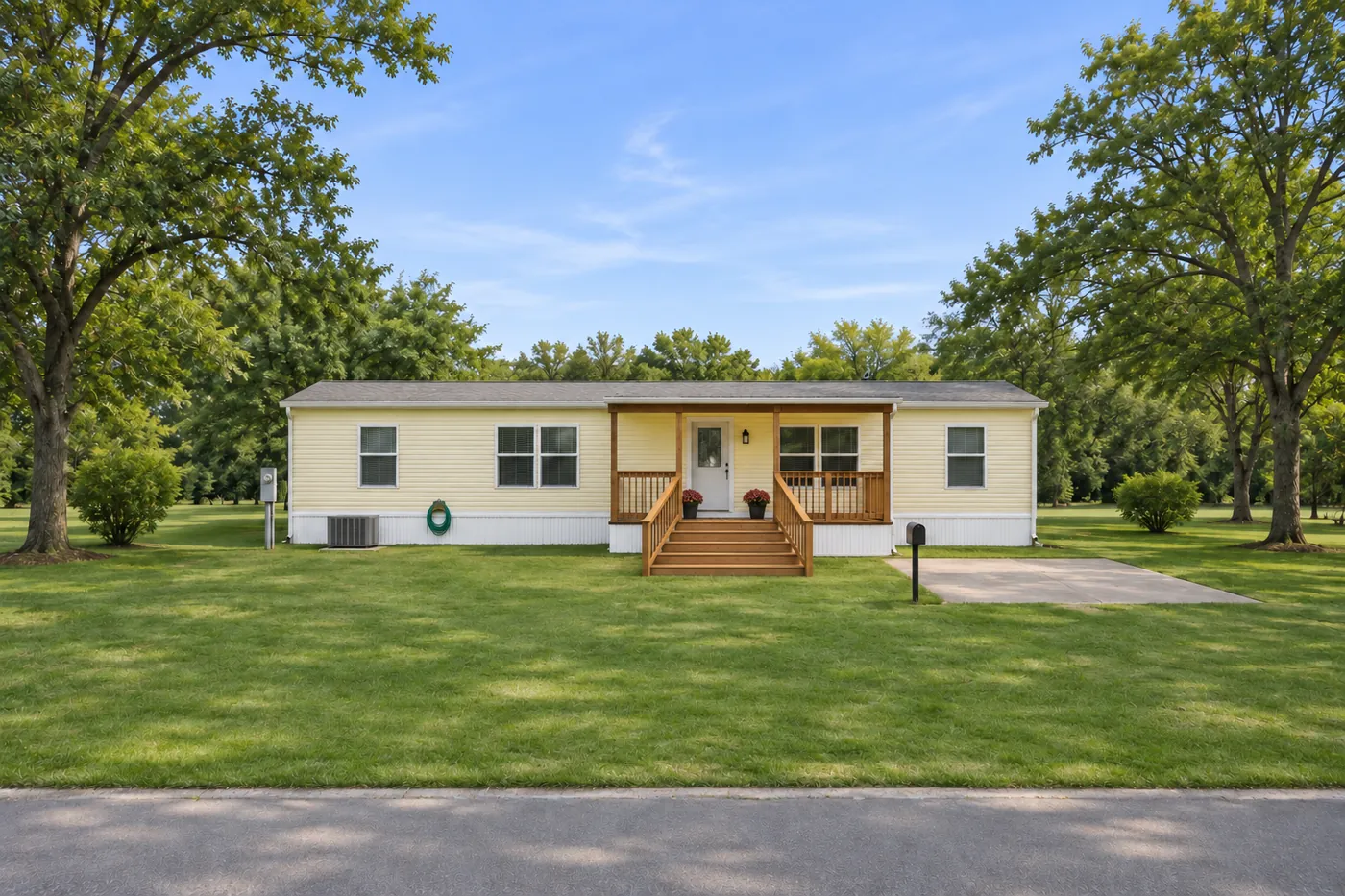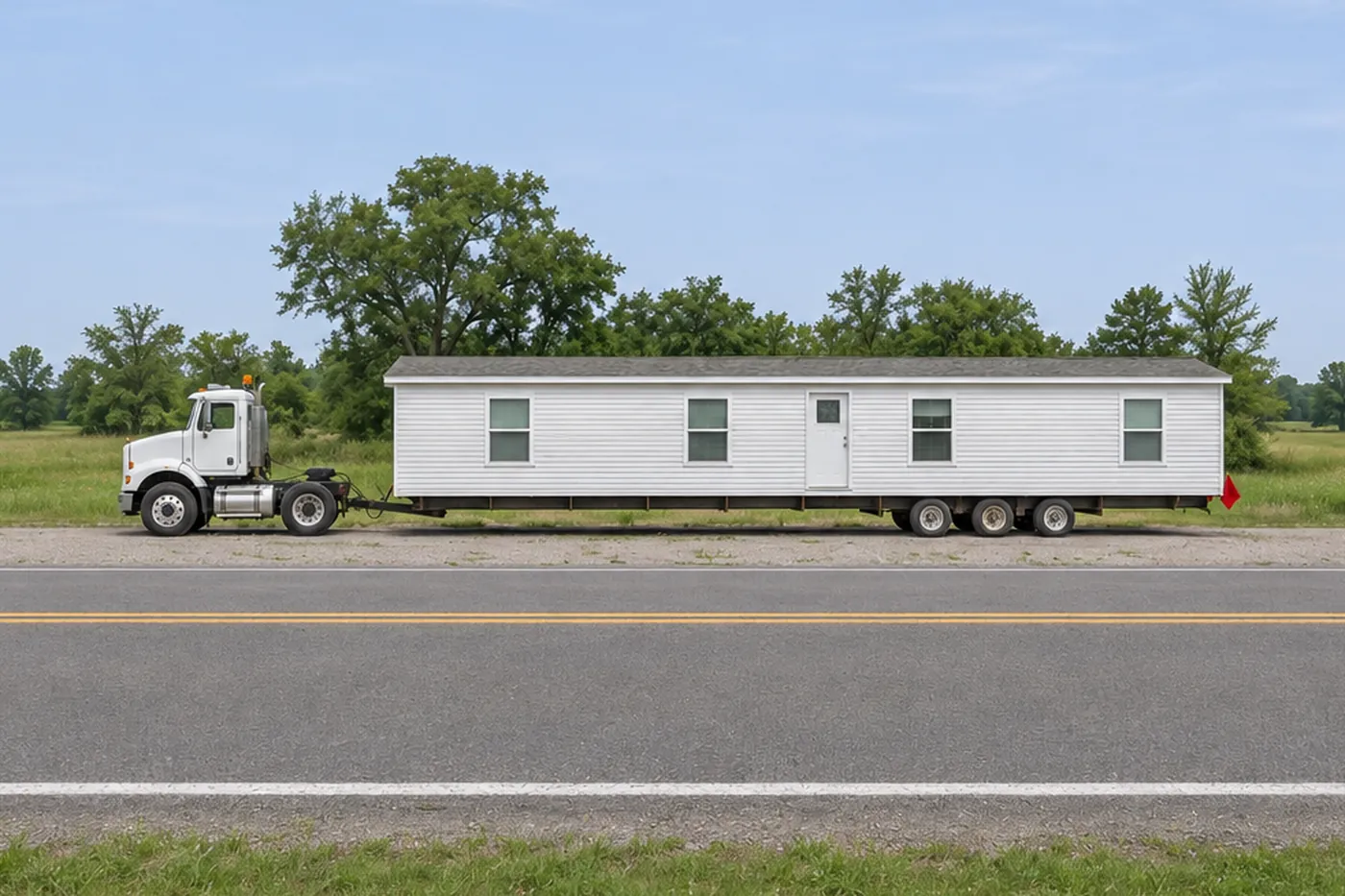
The cost to move a mobile home depends on distance, width, condition, permits and the work needed before and after transport. A road-hauling quote alone does not describe the whole job. Start by checking whether the home can move and whether the destination can accept it.
Key points
- Written scope for the whole move
- Transport and installation have separate rules
- Design zones checked for the destination
- In-place sale needs permission to stay
- 1
Confirm the destination
- 2
Assess the home
- 3
Describe the route
- 4
Identify permits and clearances
- 5
Compare complete scopes
- 6
Compare with staying put
Price the whole job rather than hauling alone
A useful moving quote separates preparation, transport and destination work. Compare those details to see what each price includes and what you must arrange.
- Distance, width and section layout
- Preparation, utilities and installation responsibilities
- Work excluded from the quote
Read more
Ask each provider to price the same job and list what is included. A hauling-only quote leaves preparation and installation for someone else. Read each price beside its list of work. Ask about exclusions before choosing a proposal, so you know what you still need to arrange.
The Census Bureau's new-home price figures are not relocation quotes. Census instructs reporting dealers to include dealer setup costs, but some other occupancy preparation costs can still be excluded. Those new-home averages cannot supply a moving budget for your used home.
The route and width shape the transport plan
Oversize transport follows state permit rules based on the route and home dimensions. Road permits do not replace separate installation or tax requirements.
- Exact starting point and destination
- Sections traveling separately
- Road permits for the full route
Read more
Texas's manufactured-housing single-trip permit allows one movement between specified locations during a period no longer than five days. Arizona requires an oversize permit when the home is wider than eight feet or longer than 40 feet. Caltrans accepts single-trip transportation applications and includes manufactured housing in its towing instructions.
Michigan offers single-trip and extended permits for covered mobile-home loads on state highways. Tennessee has mobile-home permit categories too. North Carolina can require municipal permission for local streets. Bring the full route to the transport provider and ask which permits go with each part.
Check condition and destination acceptance first
The home needs a condition and destination check before moving. Living in it now does not mean it can travel safely or meet destination rules.
- Home assessed before transport agreement
- Interior data plate and design zones
- Destination rules for this home
Read more
HUD says the data-plate maps show the home's wind, thermal and roof-load design zones. The destination must not require more protection than the home was built to provide. Show those maps to the people checking the receiving site. An empty lot alone does not tell you whether the home fits.
Alabama restricts incoming homes without a HUD label and data plate, with a trade-in exception. It also bars specified altered or damaged homes from out-of-state relocation. Arizona requires homes built before June 15, 1976 that arrive from another state for sale or installation to meet minimum fire and life safety standards.
County documents and park clearance are separate
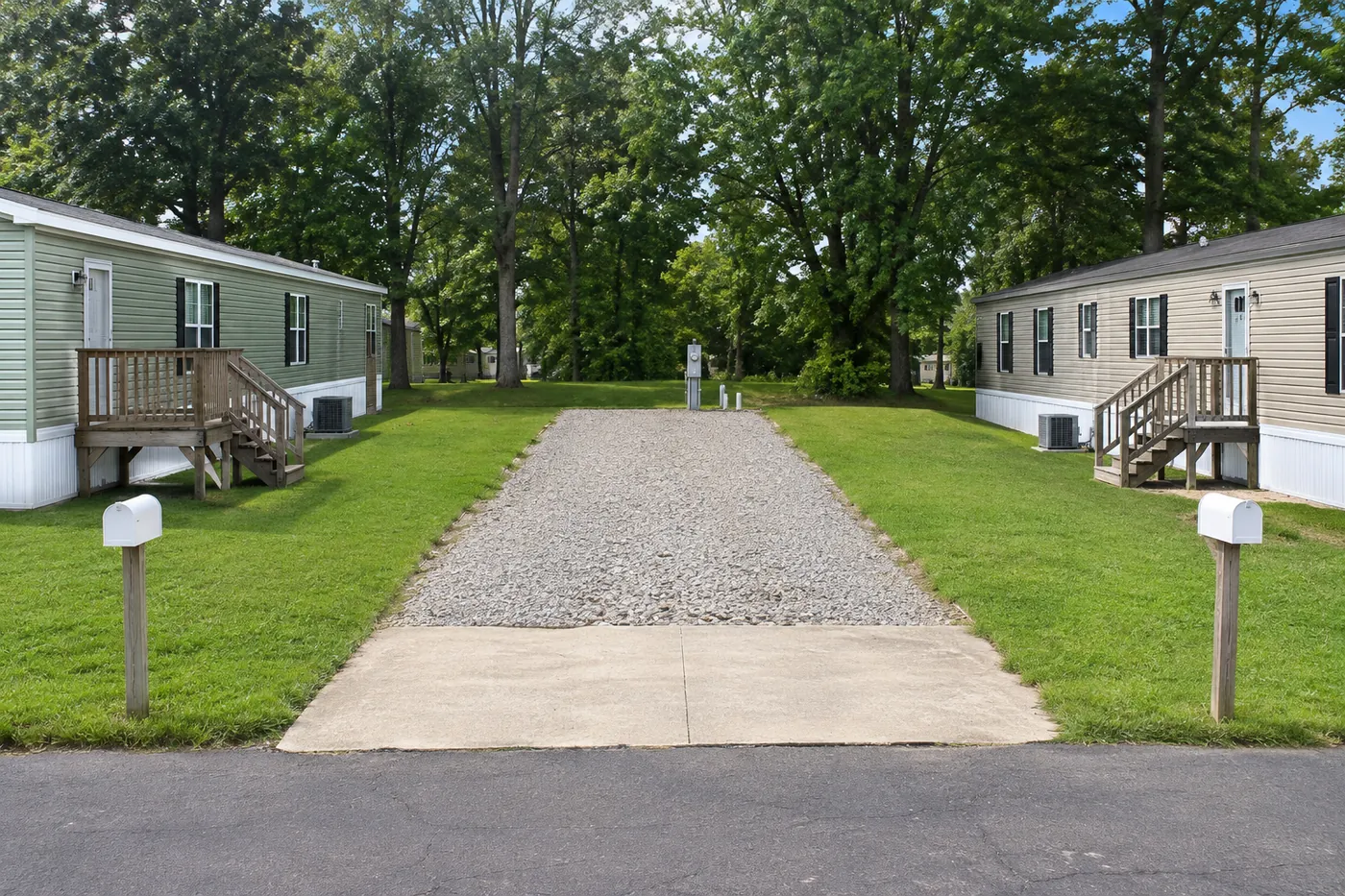
A move can need tax evidence or local permission alongside road permits. Check those documents and park removal conditions before setting a date.
- Tax evidence for covered moves
- County papers separate from highway permits
- Current site's rental agreement checked
Read more
South Carolina needs a county moving permit and a county treasurer's certificate showing no unpaid home taxes before relocation. Colorado needs tax authentication and a transportable-home permit displayed as an orange placard, plus an excess-size permit for state highways. Alabama requires a county move permit for nonexempt moves. These papers serve different purposes from the hauling agreement.
Arizona requires park clearance before removal, showing payment through removal or an agreement between landlord and tenant. North Carolina has a tax-permit rule for covered moves, with exceptions. Check with the titling agency, your park office or a tax professional about the papers needed for your route.
Preparation and installation need their own scope
Installation is regulated separately from road transport. Ask who handles preparation at the current site, destination installation and utility work, and what each agreement includes.
- Preparation responsibilities before transport
- Installer at the destination identified
- Utility work and exclusions in writing
Read more
HUD runs the federal installation program in some states. States with qualifying programs set installer responsibilities and use standards that meet or exceed the federal minimum. A hauling agreement does not settle who will install the home. Ask who handles that job and which installation rules apply at the destination.
California restricts installation and preparation for moving to C-47 General Manufactured Housing Contractors. Georgia requires a separate installation permit for every new or pre-owned home installed. North Carolina distinguishes hired setup work from installing your own home. Ask each provider what work they can handle and who does the rest.
Compare removal with an allowed in-place sale
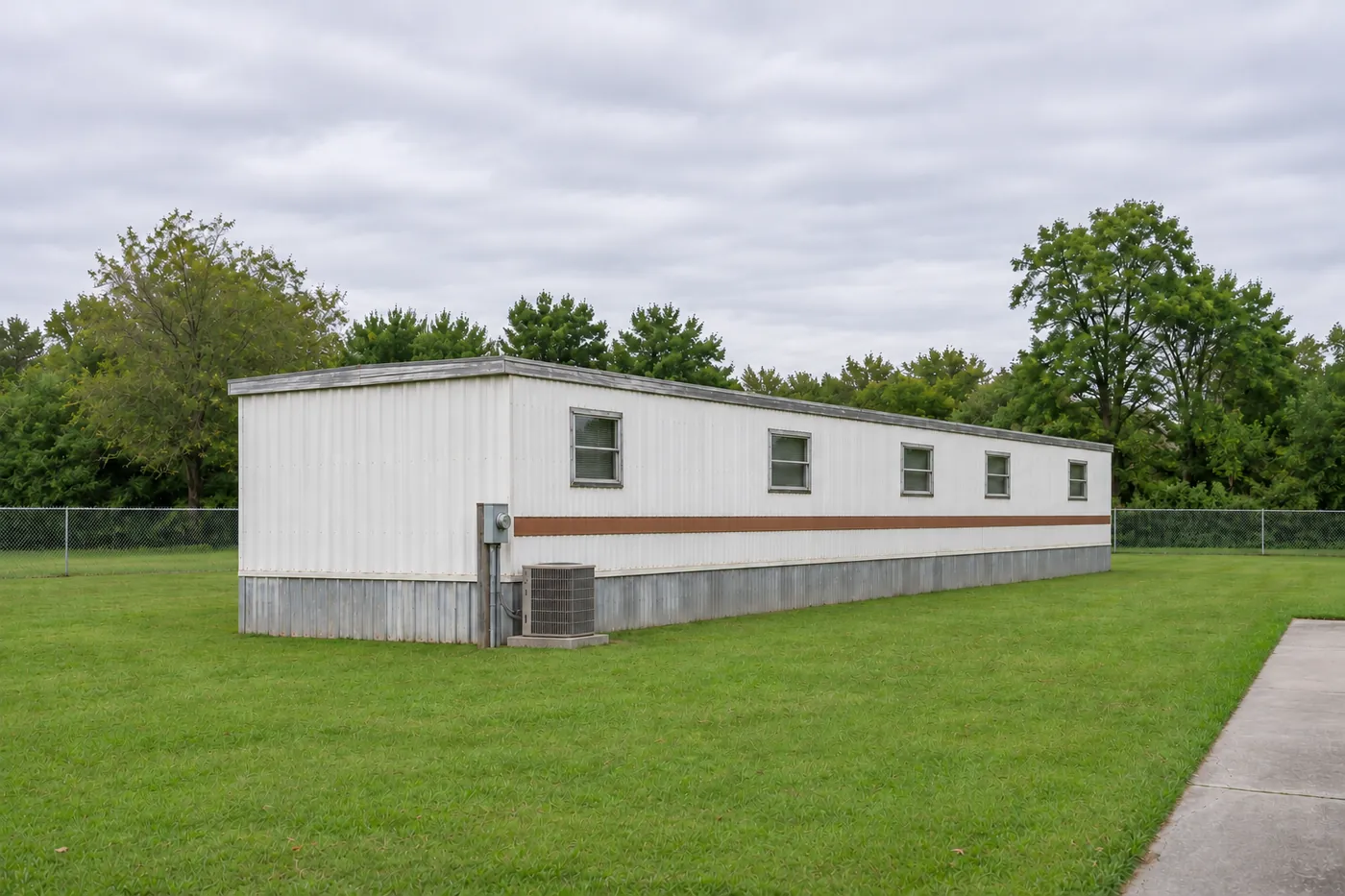
An in-place sale avoids relocation only when the home can stay and the buyer meets tenancy requirements. Interest in buying does not settle either condition.
- Buyer's right to occupy the lot
- State protections and sale exceptions
- Removal terms alongside any offered price
Read more
California generally protects in-place sales with specified exceptions; age alone is insufficient. Michigan bars rejecting an in-park sale or requiring removal solely for age or size under its stated rules. Arizona has different removal provisions. The state pages explain those distinctions, and the calculator gives a rough home-only resale range rather than a moving allowance.
For a sale without land, the form sends your request to a buyer in our network who buys in your area and contacts you. You deal directly and decide on any offer. Selling a home with its land is a real estate sale, usually through a title company, closing attorney or real estate agent. We do not send those requests onward.