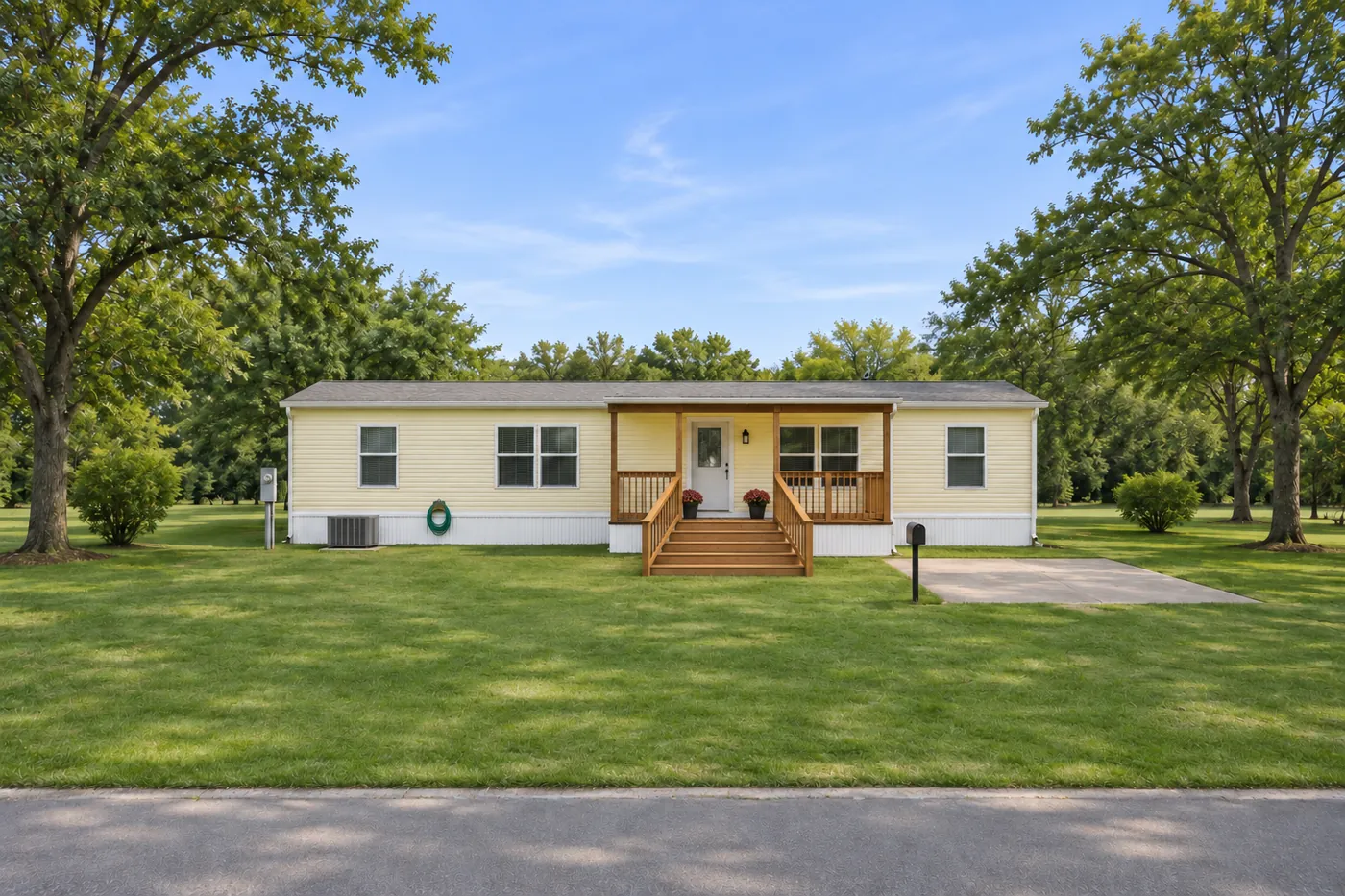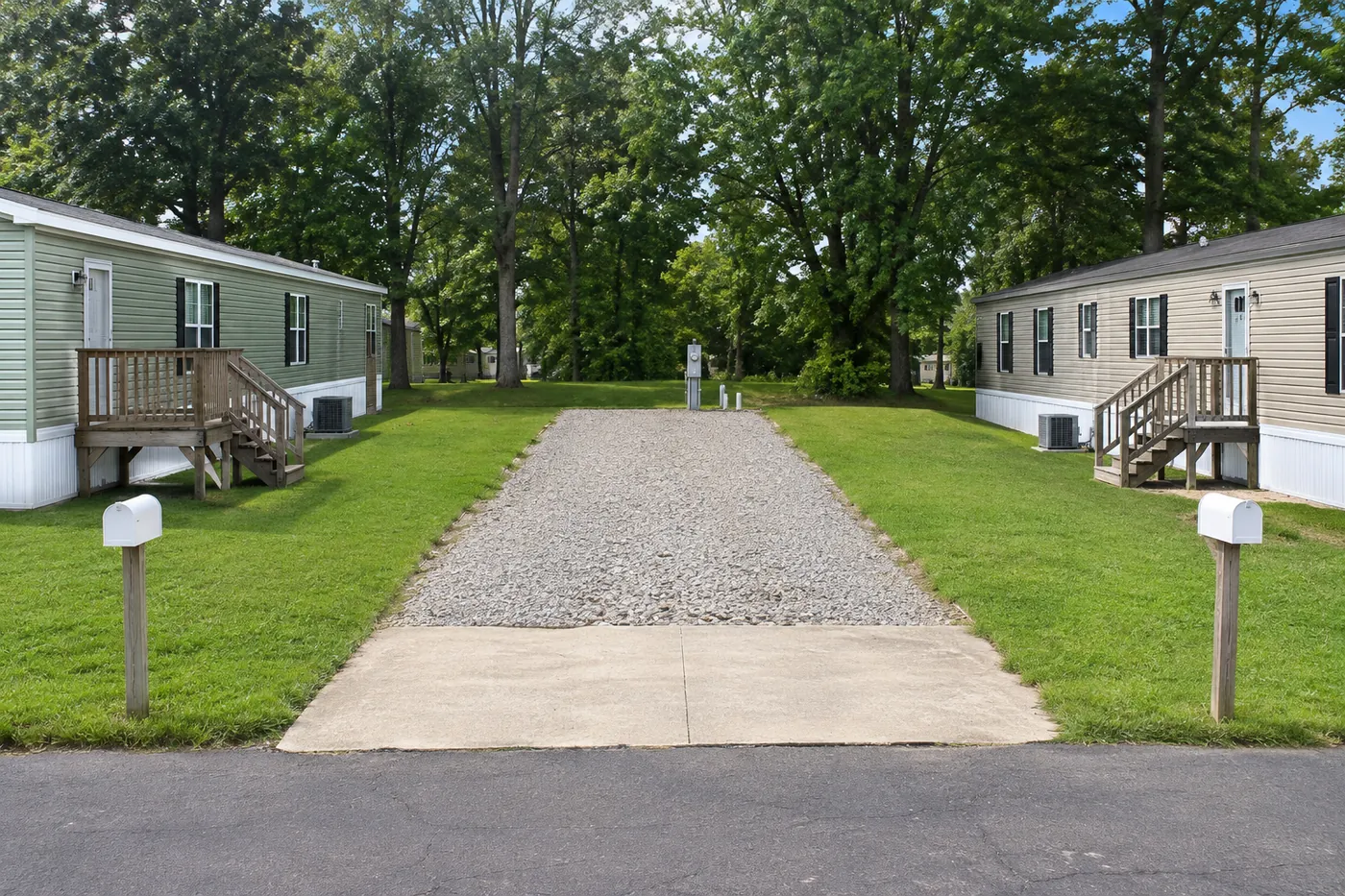
You can get rid of an old mobile home by selling it, moving it or arranging demolition and disposal. Start with the ownership record and the rules for its current site. Check your state's process before leaving a home on the lot.
Key points
- In-place sales depend on park rules
- Written scope for each removal job
- State rules for homes left behind
- Calculator estimates resale, not removal cost
- 1
Find the ownership papers
- 2
Read the park requirements
- 3
Compare the possible routes
- 4
Get the scope in writing
- 5
Finish the records
Selling the home can be an alternative to removal
An as-is sale is worth comparing with removal before you commit to demolition, especially when the home can stay on its lot.
- Known damage and repairs described
- Buyer's plan to stay or move
- Purchase price and remaining charges separated
Read more
An old home and an unusable home are different things. Age alone does not tell you whether a buyer will make an offer. Write down what works, what does not and what ownership papers you have. That gives the buyer something useful to assess before discussing a sale.
The calculator gives a rough resale range without land. It is not an appraisal or a removal quote. For a home-only sale, the form sends your details to a buyer in our network who buys in your area and contacts you. The buyer decides whether to make an offer; you decide whether to accept any offer.
Park rules affect whether the home must leave
A park sale does not always require removal, and state rules differ on buyer approval and the home's right to remain.
- Buyer approval separate from purchase terms
- Lease and state sale rules checked
- Written park requirements before removal
Read more
California generally protects in-place sales, with specified exceptions involving condition or age combined with failed safety standards. Age alone is insufficient there. Michigan also bars age or size alone as grounds for rejecting an in-park sale or refusing to let the home remain, while allowing written physical-condition standards that apply equally.
Before removal in Arizona, the park must give written clearance showing payment through removal or an agreement with the landlord. That step is separate from selling the home. Your state page explains the local rules and links to their sources. Check with your park office about your lot before booking removal work.
Moving a home requires more than a truck
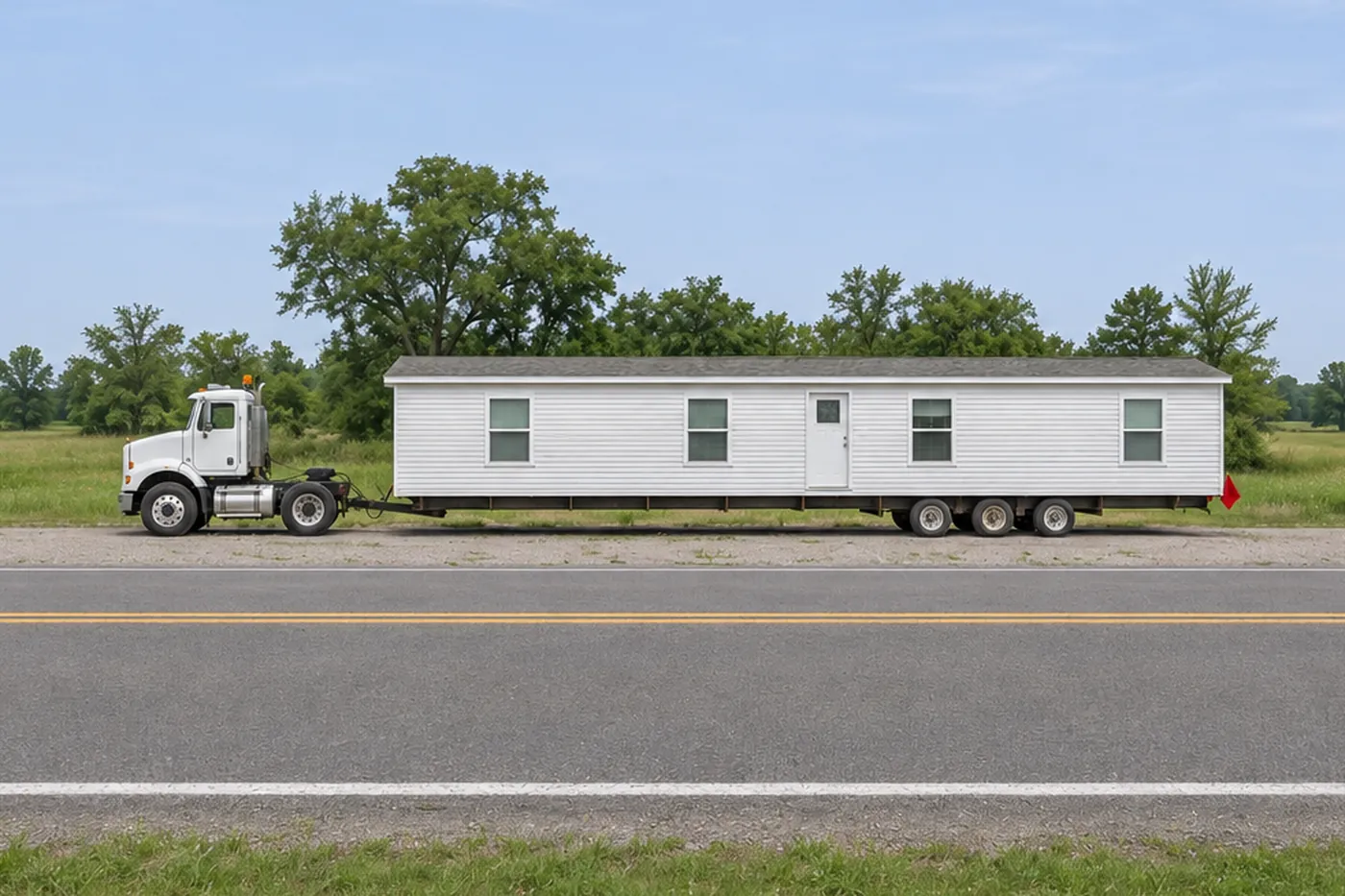
Moving a mobile home involves transport requirements and a destination that can accept it; installation is a separate part of the plan.
- Road permits for the proposed route
- Destination confirmed before removal
- Preparation and installation responsibilities in writing
Read more
Colorado requires tax authentication and a transportable-home permit for a titled-home move. Travel on state highways also needs an excess-size permit. South Carolina requires county moving papers and paid-tax evidence before relocation. Road permits apply separately when the load exceeds legal limits. Ask the transporter to list the documents for your route.
The home's interior data plate gives design-zone information relevant to relocation. HUD says a home should not go into a wind, thermal or roof-load zone requiring more protection than it was built to provide. Share those records with the people assessing the move. Ask separately about installation at the destination rather than treating transport as the whole job.
Demolition and salvage need a written scope
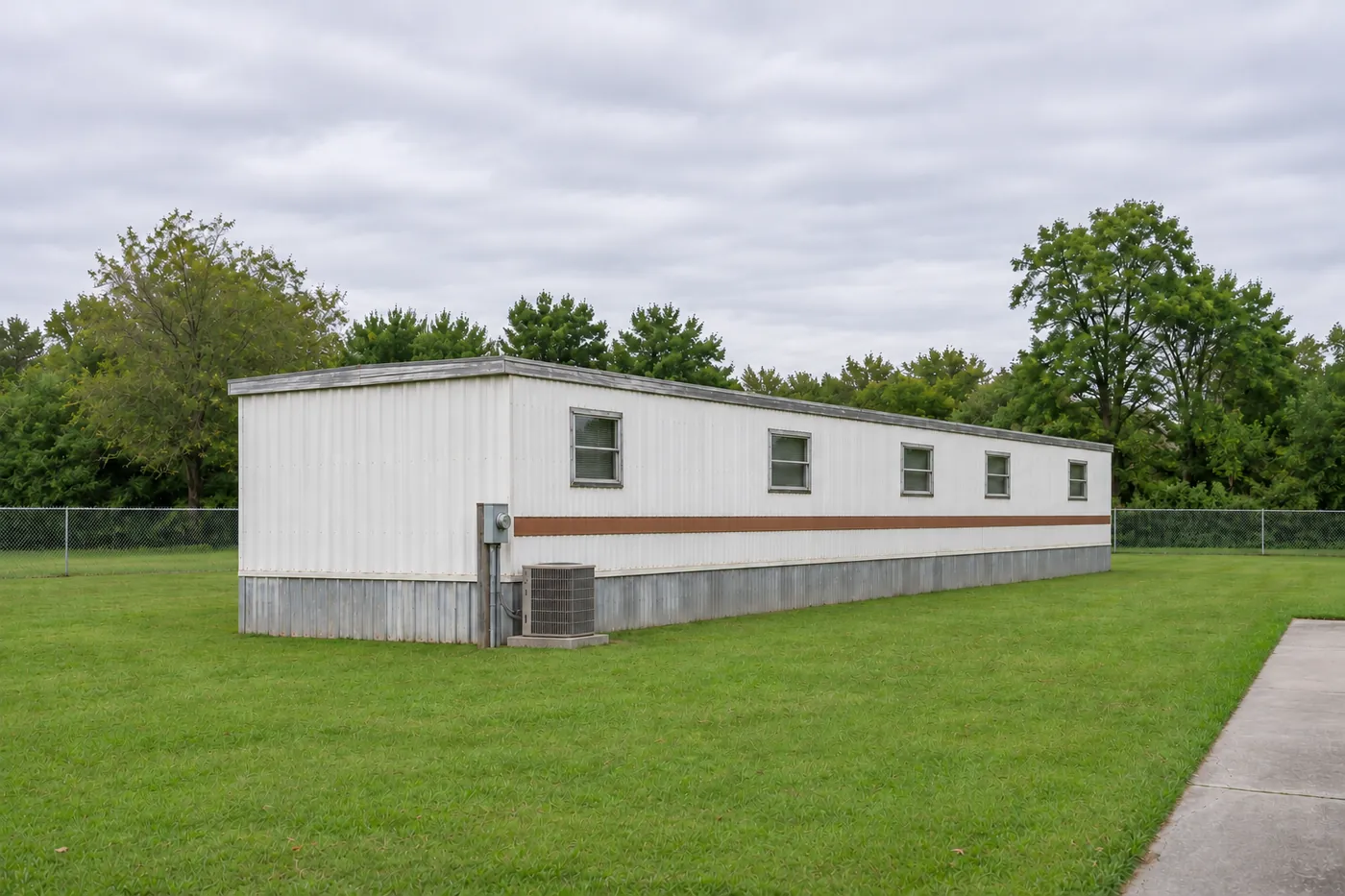
A demolition or salvage quote should explain what happens to the whole home and what remains for you to handle.
- Demolition and debris hauling scope
- Utility disconnection and approvals assigned
- Salvage ownership and effect on charges
Read more
Ask for written prices for demolition, hauling and cleanup, with each job listed. Name additions such as steps or skirting in the scope. Ask who keeps salvage and whether it changes what you owe. Then check which ownership papers and local approvals the work needs before anyone starts taking the home apart.
California's abandoned-home disposal process follows notices and a judicial declaration. Michigan may require a court order to title an abandoned home without an assigned title. Arizona requires park clearance before removal, showing payment through removal or an agreement with the landlord. Settle those paperwork steps before promising the site will be cleared.
State procedures govern homes left behind
A home left on a lot can become subject to a state abandonment procedure. The conditions, notices and ownership steps depend on the state.
- State conditions and notices apply
- Vacancy alone does not transfer ownership
- Records of any agreed transfer kept
Read more
California requires posted and mailed abandonment notices before a court petition, followed by a judicial declaration before the statutory sale or disposal process. Texas has an abandonment procedure tied to continuous vacancy and delinquent secured or lease debt, followed by statutory notices. Neither description means every vacant home is automatically abandoned.
Michigan lets an owner assign an abandoned home's title to the park. If no assigned title is available, a court order establishing ownership may be needed before a title can issue. Read your state page for the ownership office and source. Agreeing that someone will take the home does not finish the ownership paperwork.
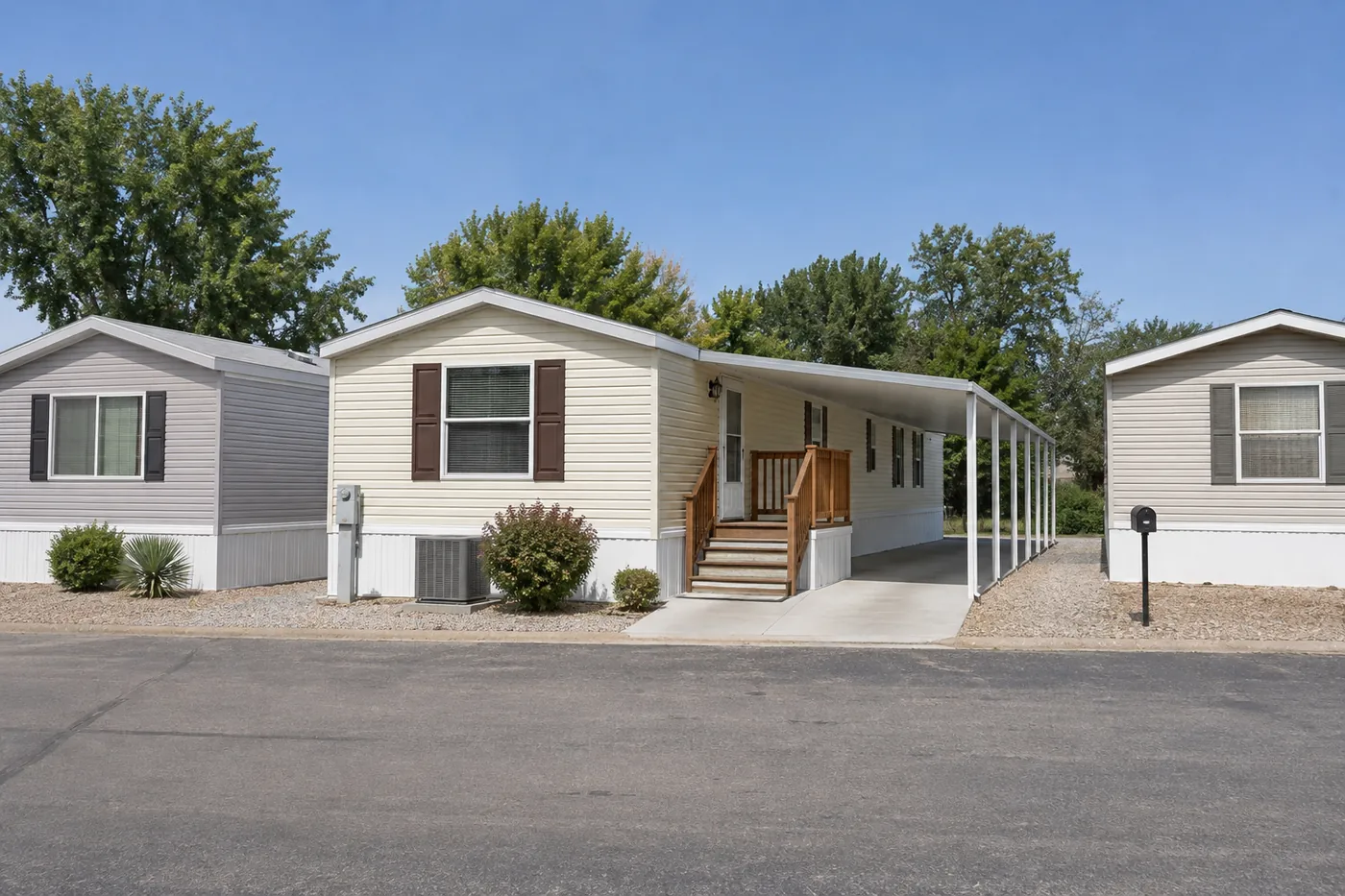
A removal agreement needs clear responsibilities
Compare the complete agreement for each route, including ownership transfer, permits, payment and the condition of the lot afterward.
- Free removal terms checked
- Responsibility for charges outside the quote
- Agreement and ownership records kept
Read more
A promise to take the home away leaves plenty unanswered. Ask whether the person is buying the home or charging to remove it. Have the agreement identify the home, the work, the payment terms and the point at which the agreed responsibilities change. Include who handles belongings and debris left at the site.
Compare what you keep with what you still owe or need to arrange under each proposal. Repairs, moving, park rules and title problems can change a buyer's number. The calculator gives a starting range, and the state pages explain the paperwork. Use both to prepare, then read the agreement for your home.