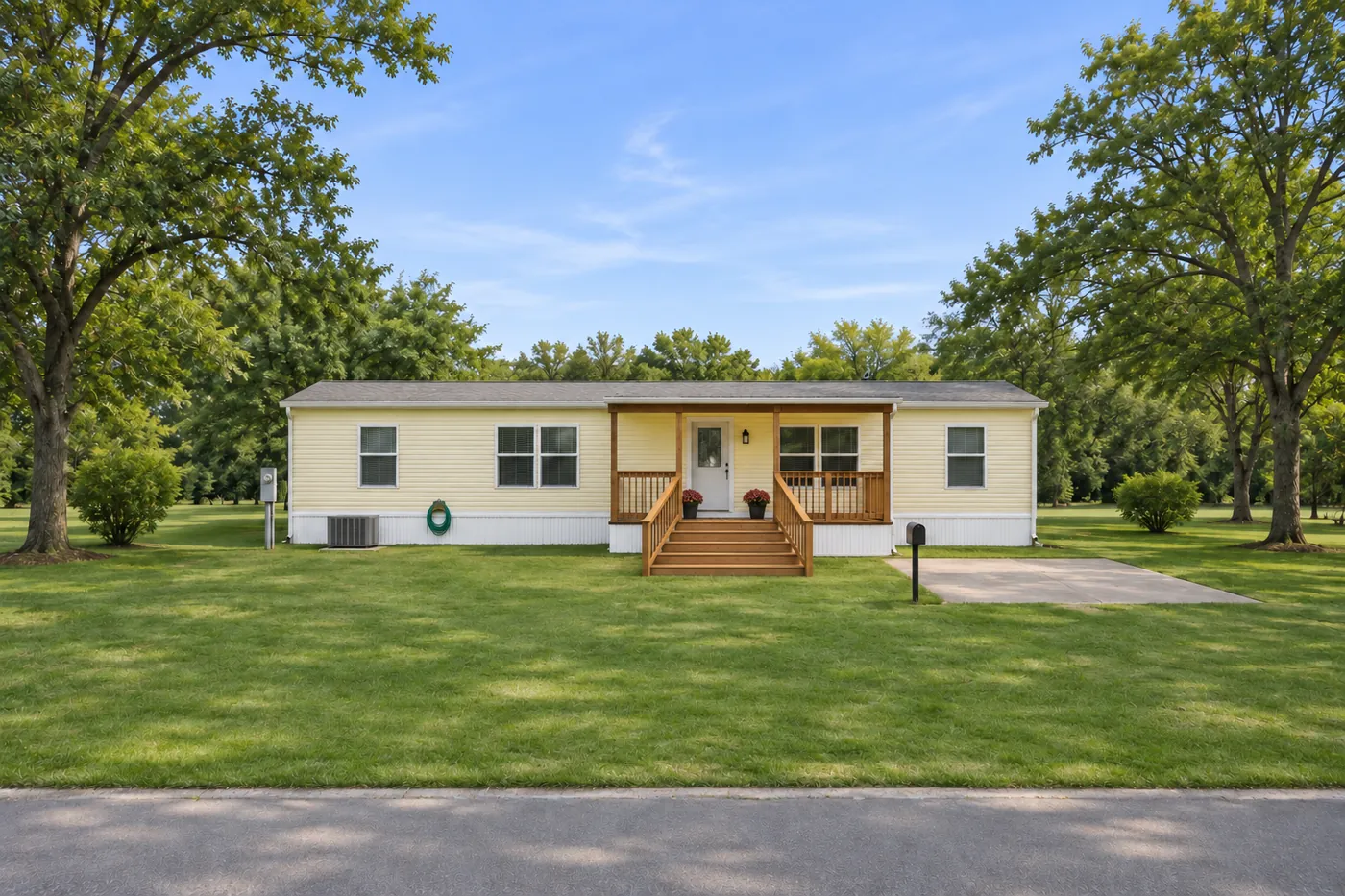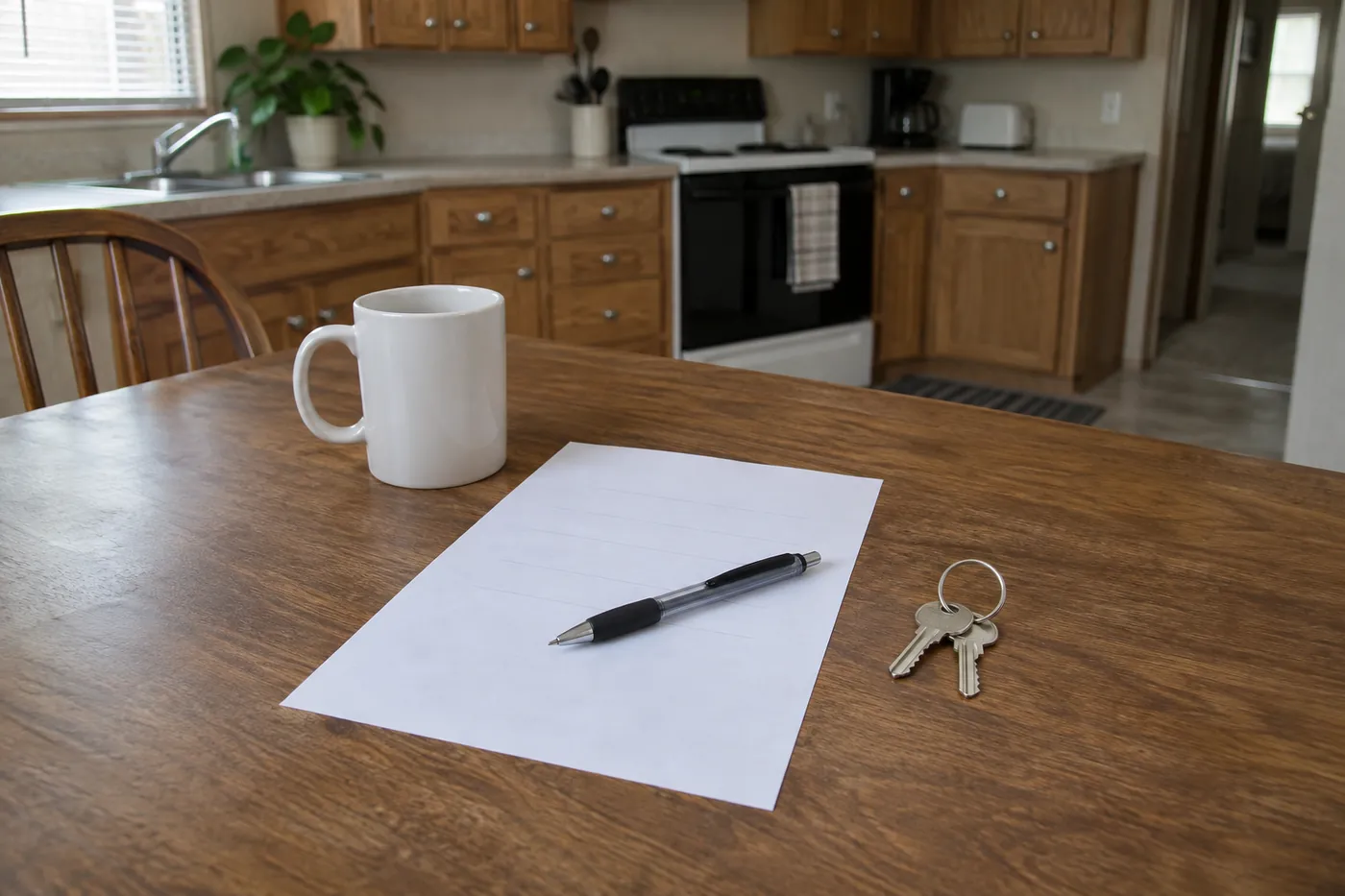
A mobile home bill of sale is the written record of the sale between you and the buyer. It names you both, identifies the home, records the price and date, and carries the signatures. Keep it with the ownership papers; it does not replace the state's transfer process.
Key points
- Legal names and matching home details
- Actual price and complete terms
- Signature rules checked before signing
- State ownership forms still needed
- 1
Check state documents
- 2
Match the home
- 3
Write the agreement
- 4
Check signature instructions
- 5
Keep the sale record
A bill of sale records the deal
A bill of sale records your agreement with the buyer. The ownership application records the change through the state's separate process.
- Seller and buyer clearly named
- Home being sold clearly described
- Agreement matches state forms
Read more
A sale record is useful when everyone remembers the agreement differently. Write the terms while you and the buyer can review them together. The bill of sale should describe what you actually agreed to, including what is included with the home and when possession changes.
State document requirements differ. South Carolina calls for a separate bill of sale when the title has no bill-of-sale section. Tennessee's title-only requirements include the assigned title and bill of sale. Those examples explain why a generic document checklist is only a starting point.
Match the people and home to the records
Names and home details should match the ownership papers. The serial number and HUD certification label serve different purposes and are not interchangeable.
- Full legal names for both parties
- Serial number copied from records
- Separately titled sections checked
Read more
The interior data plate lists the plant, serial number, model, manufacture date and certification-label numbers. Look near the electrical panel, inside a kitchen cabinet or in a bedroom closet. Compare those details with your papers so the bill of sale describes the right home.
Each transportable section of a HUD Code home carries a red exterior certification label. It shows construction compliance, not ownership. Arizona titles sections separately unless the home is legally made part of real property. Georgia also has rules for section titles, so check the state page before leaving a section out.
Write the price, date and included items
Record the actual price, date and included items. Clear payment and handover terms keep the written record in line with your agreement.
- Price agreed with the buyer
- Included items listed clearly
- Handover and moving terms recorded
Read more
Keep a price discussion separate from the final record. The value calculator provides a rough resale range without land, not an agreed sale price or an appraisal. Census figures describe new-home prices. Neither replaces the number you and your buyer actually settle on.
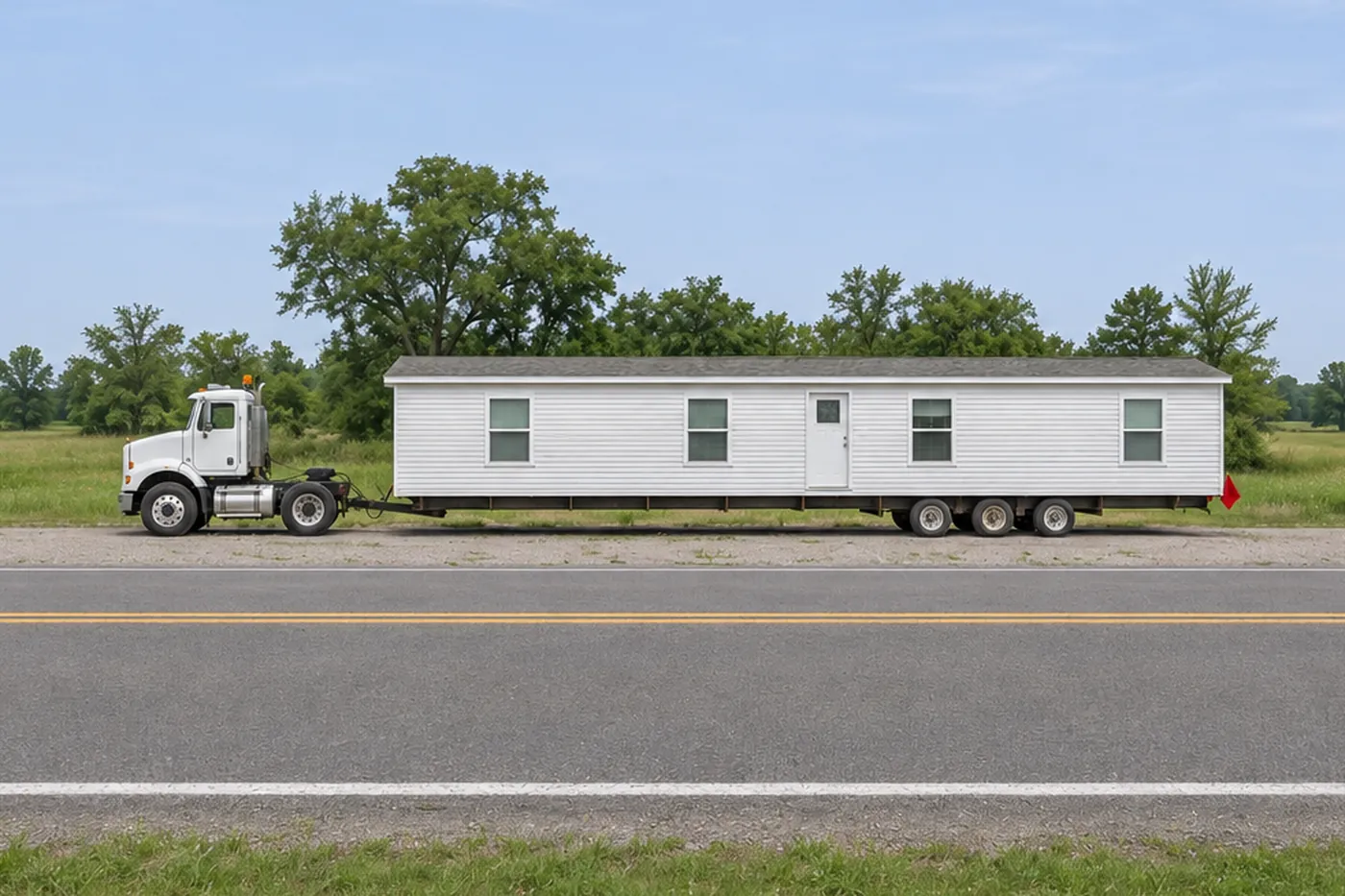
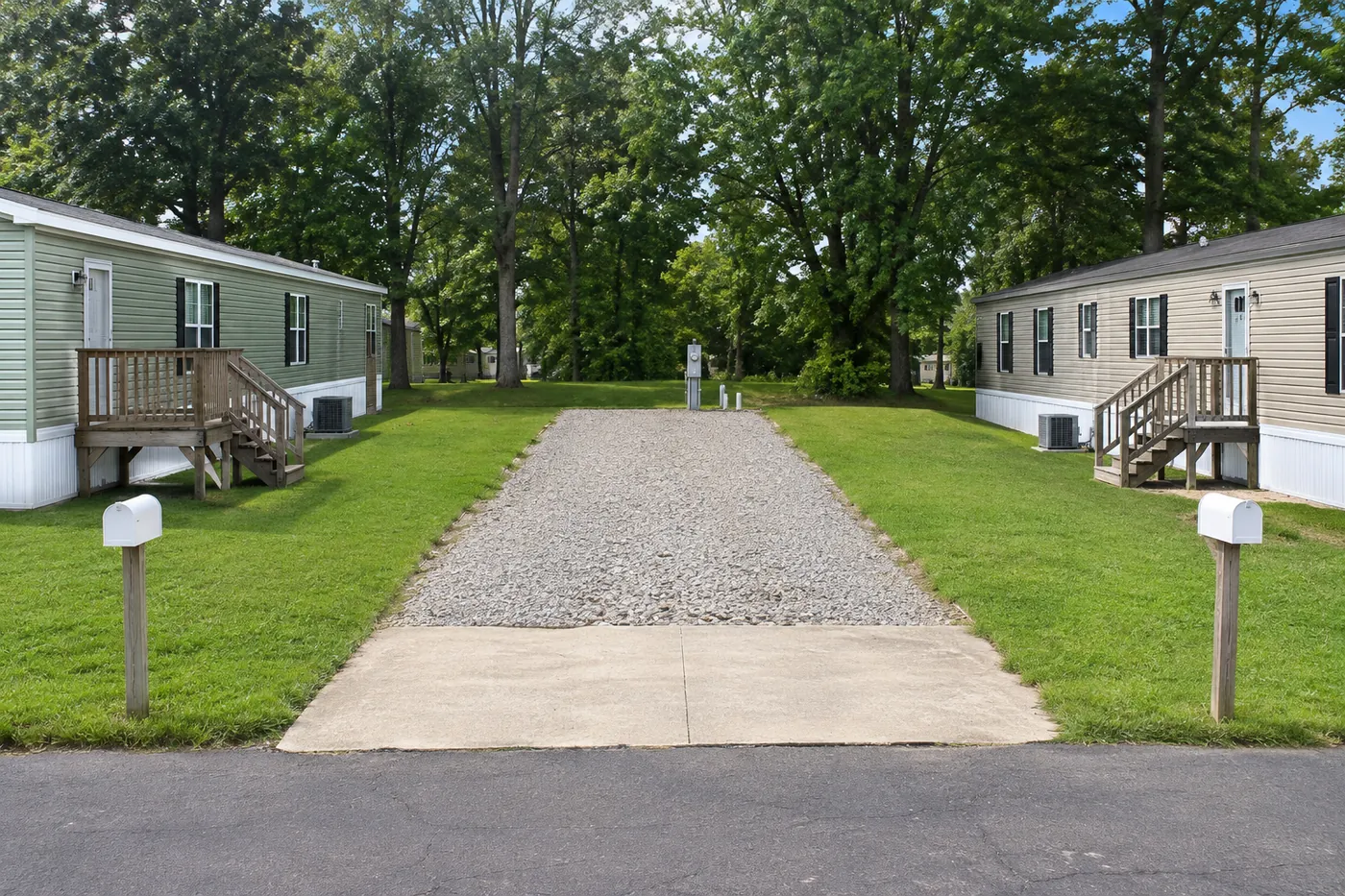
For a home-only sale, make the exclusion of land clear. If the home must leave the site, record who handles that work under your agreement. Keep those terms consistent with any separate moving arrangement. Do the same for agreed lot responsibilities through handover, rather than leaving them to a later conversation.
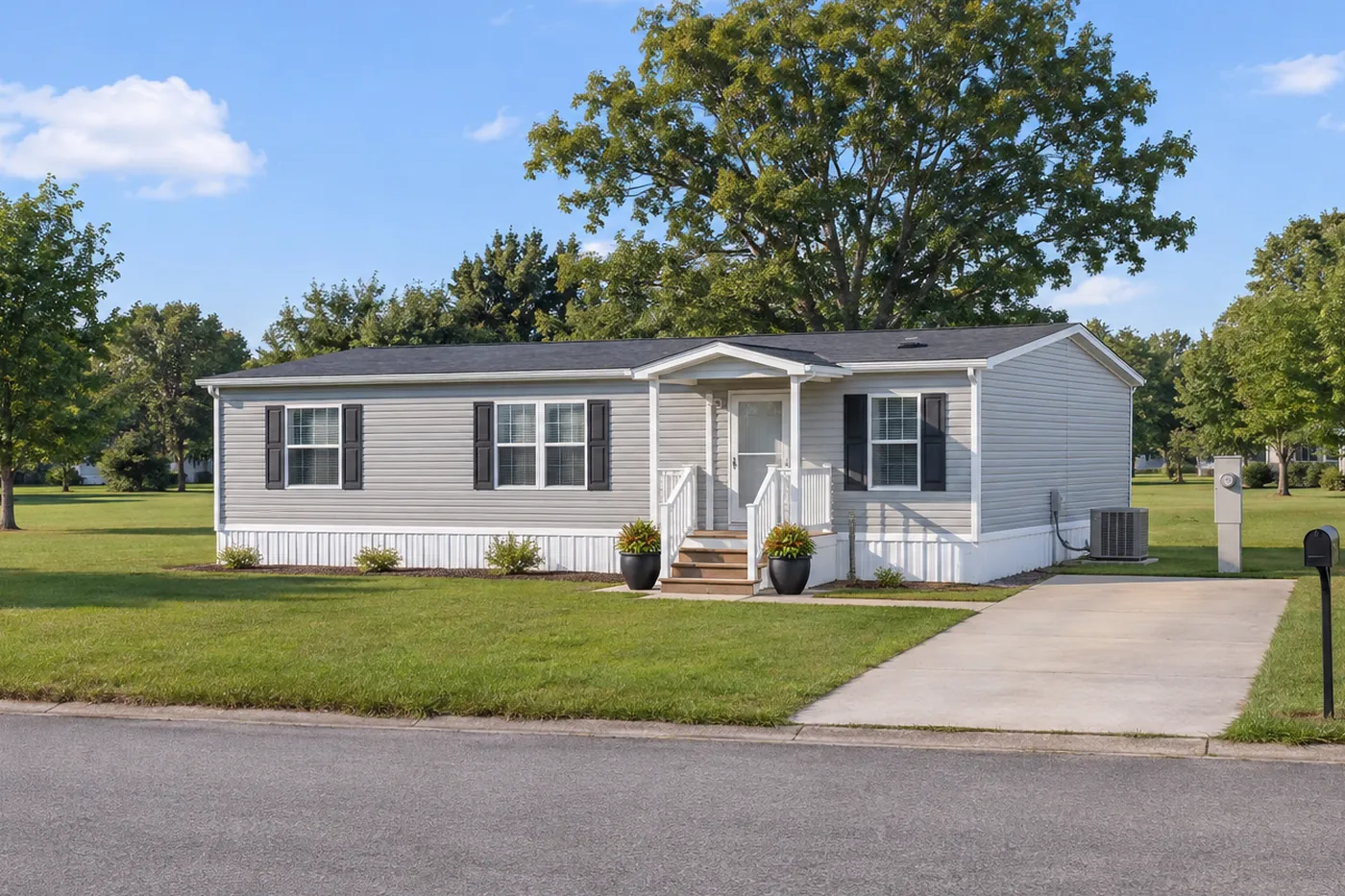
Condition wording should match the discussion
Write agreed condition terms plainly, including any as-is wording. Those words do not replace an accurate home description or required state disclosures.
- Condition terms match the discussion
- Agreed repairs listed
- Required disclosures kept with sale papers
Read more
As-is wording describes a term of the agreement. Its legal effect depends on the transaction and applicable law. Avoid treating it as a reason to leave known issues out of the discussion. Write down any repair work the parties have agreed will happen before possession changes.
California requires transfer disclosures for park-home sales, with statutory exceptions. Michigan bars material misstatements and leaving out facts needed to keep a statement accurate. Use your state page to read the rules for your sale. Keep any required disclosure forms with the bill of sale and ownership papers.
Follow the signature rules for each document
Notarization depends on the document and state process. Read each form before signing; notarizing a bill of sale does not complete every transfer step.
- Required signers for each form
- Notary requirements for each document
- Completed copies for both parties
Read more
North Carolina requires notarization on its applicable title application and its duplicate-title application. Those are title forms, not a national rule for every bill of sale. Read the signing instructions on each document before getting everyone together.
Arizona accepts a signed title or its qualifying Title Transfer Bill of Sale, along with the application and other required papers. A handwritten receipt is not automatically that state form. Check with the titling agency, your park office or a tax professional about the documents your sale needs.
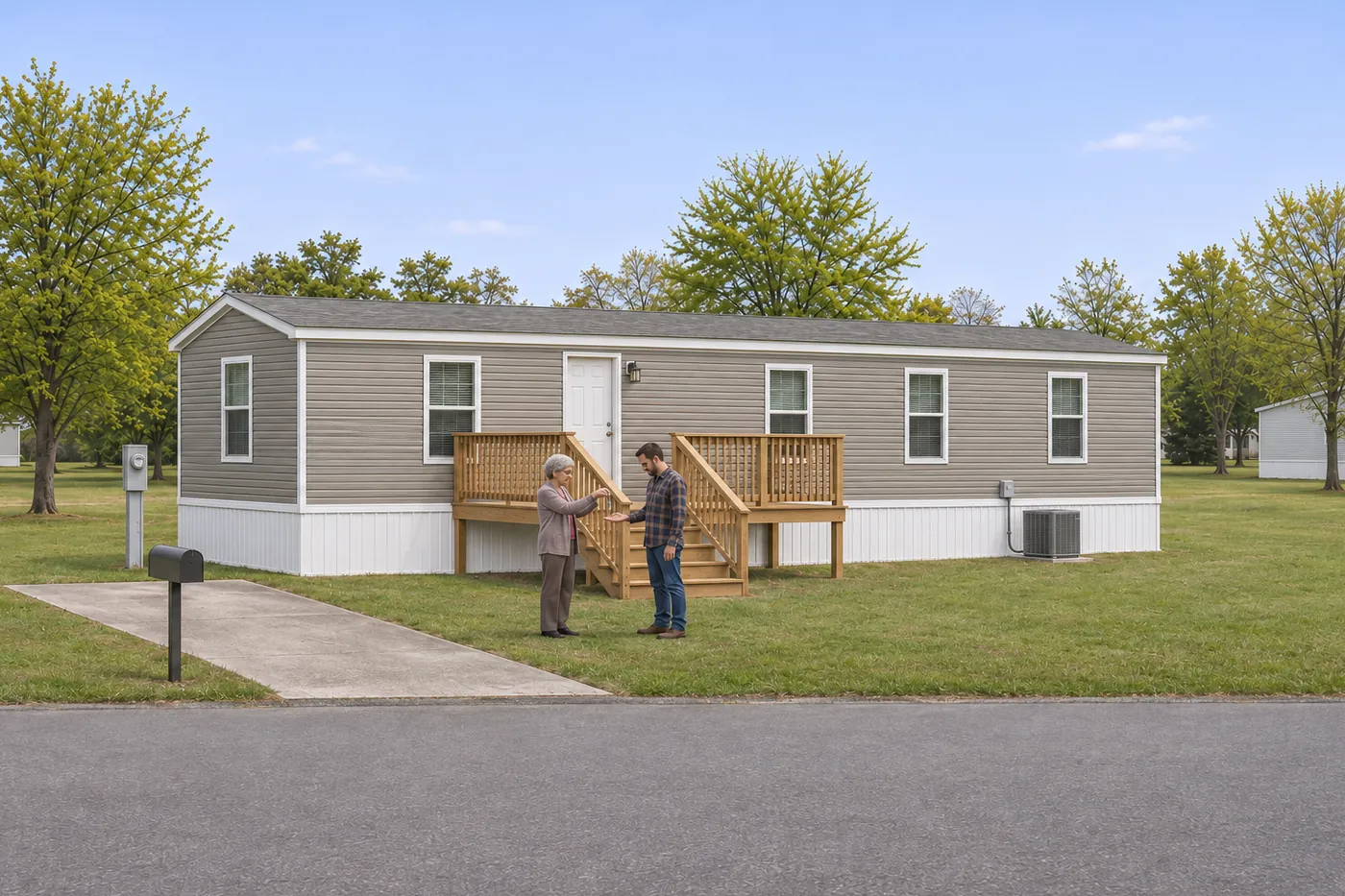
Finish the ownership process after the agreement
Ownership forms, lien papers and required tax evidence still need attention after you agree on terms. Park residency remains separate from buying the home.
- Title-transfer guide for ownership steps
- State page for agency and taxes
- Buyer's lot arrangements handled separately
Read more
If the home is recorded as part of real property, check that record before using a home-only bill of sale. Selling the home together with its land is a real estate sale, usually handled by a title company, closing attorney or real estate agent. This site does not forward requests that include land.
For a sale without land, the form passes your details to a buyer in our network who buys in your area and contacts you. The buyer's name is sent to you before contact. You discuss the home, sale papers and handover directly. If the buyer makes an offer, you decide whether to accept it.