To sell a mobile home, settle what is included, check the ownership record and park rules, then agree on terms with your buyer. Getting those pieces straight before a buyer calls gives you something useful to discuss beyond the price.
Key points
- Home ownership and lot rights differ
- State records guide the paperwork
- Calculator range for price context
- Terms agreed directly with the buyer
- 1
Define the sale
- 2
Check ownership
- 3
Ask about the lot
- 4
Compare your routes
- 5
Agree on written terms
- 6
Complete the transfer
Decide what stays and what goes
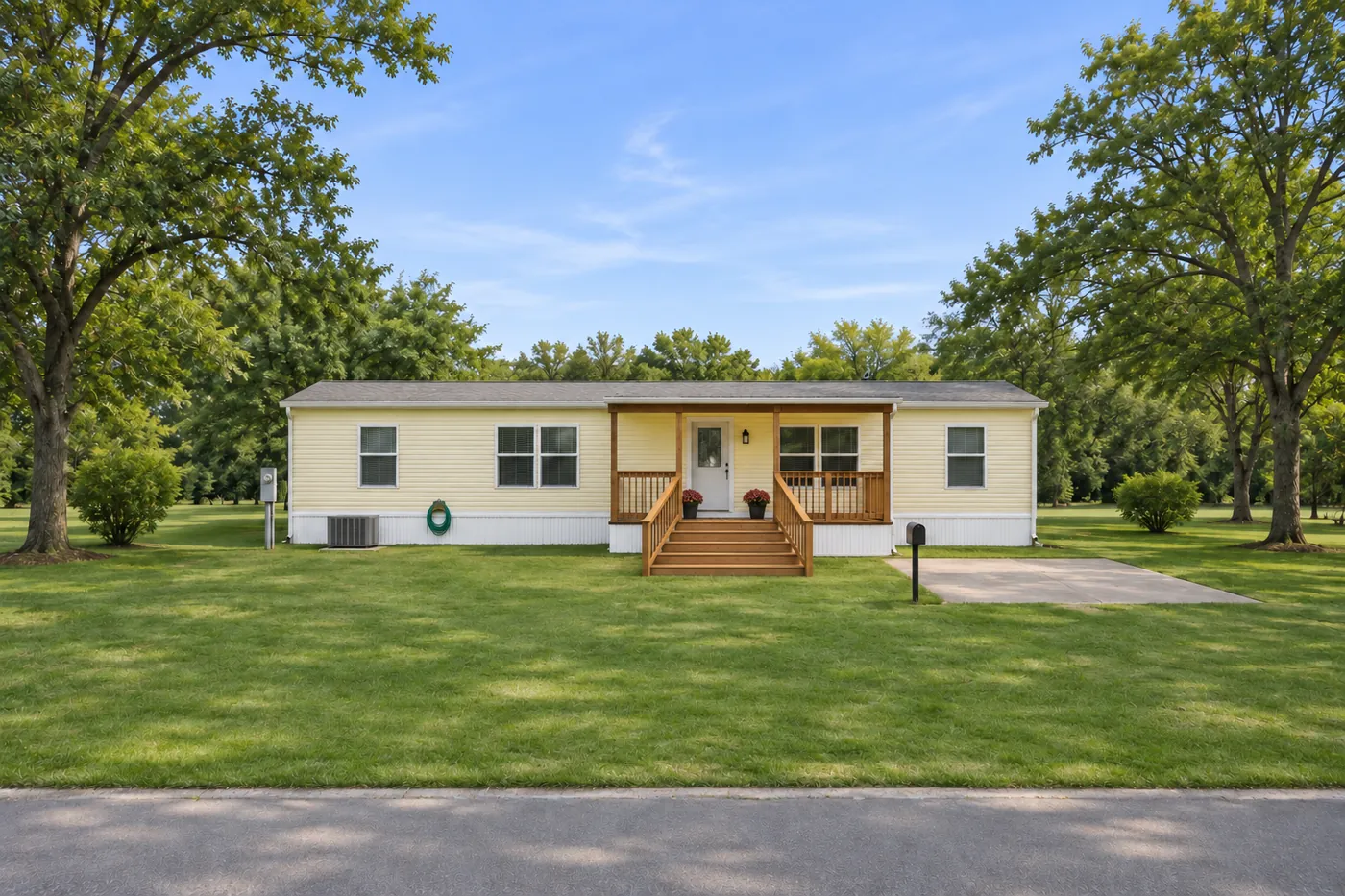
A home-only sale transfers the mobile home without land. Owning the home and having the right to occupy its site are separate matters.
- Who owns the land
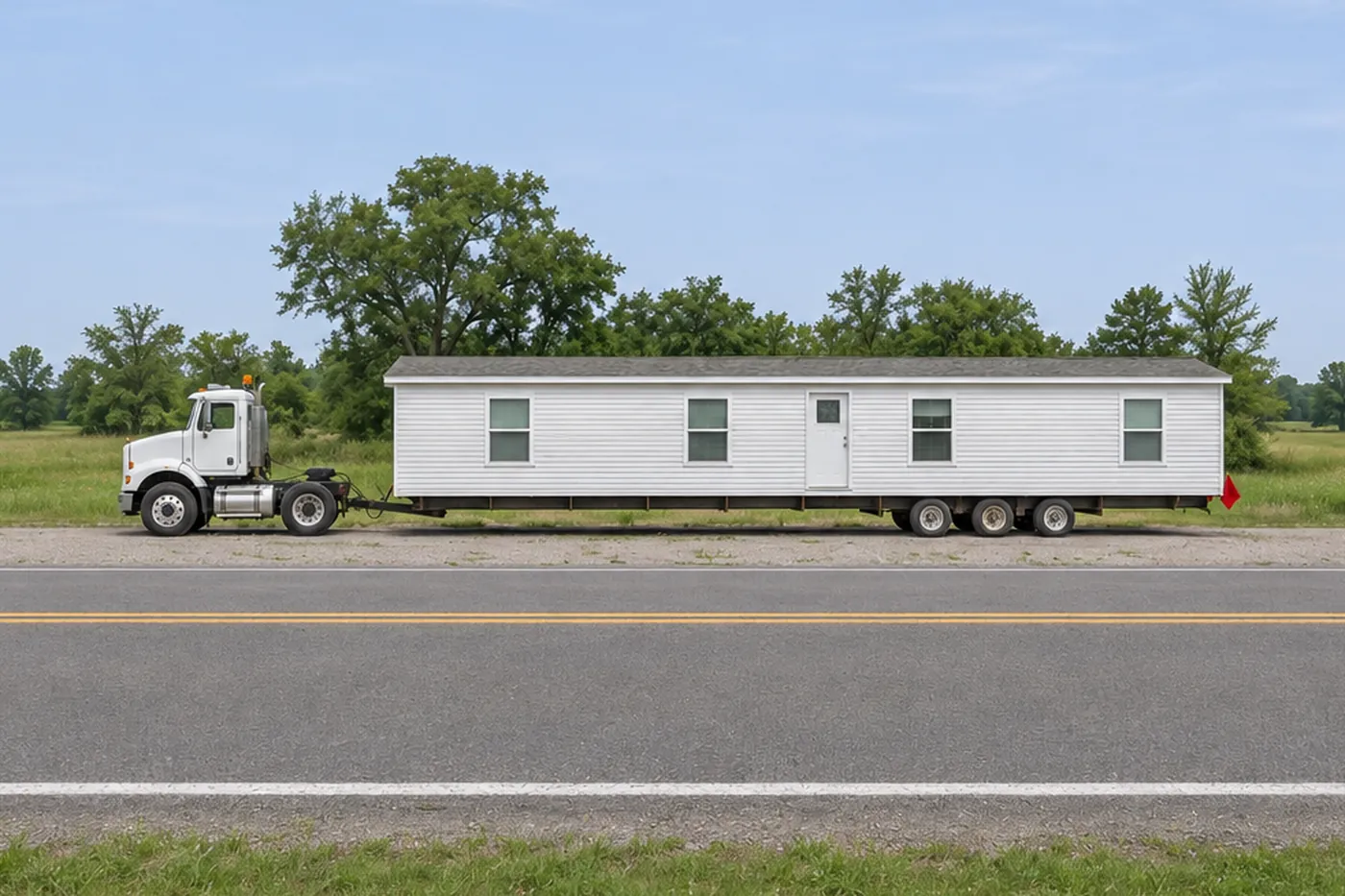
- Home staying or moving
- Lot agreement ready to read
Read more
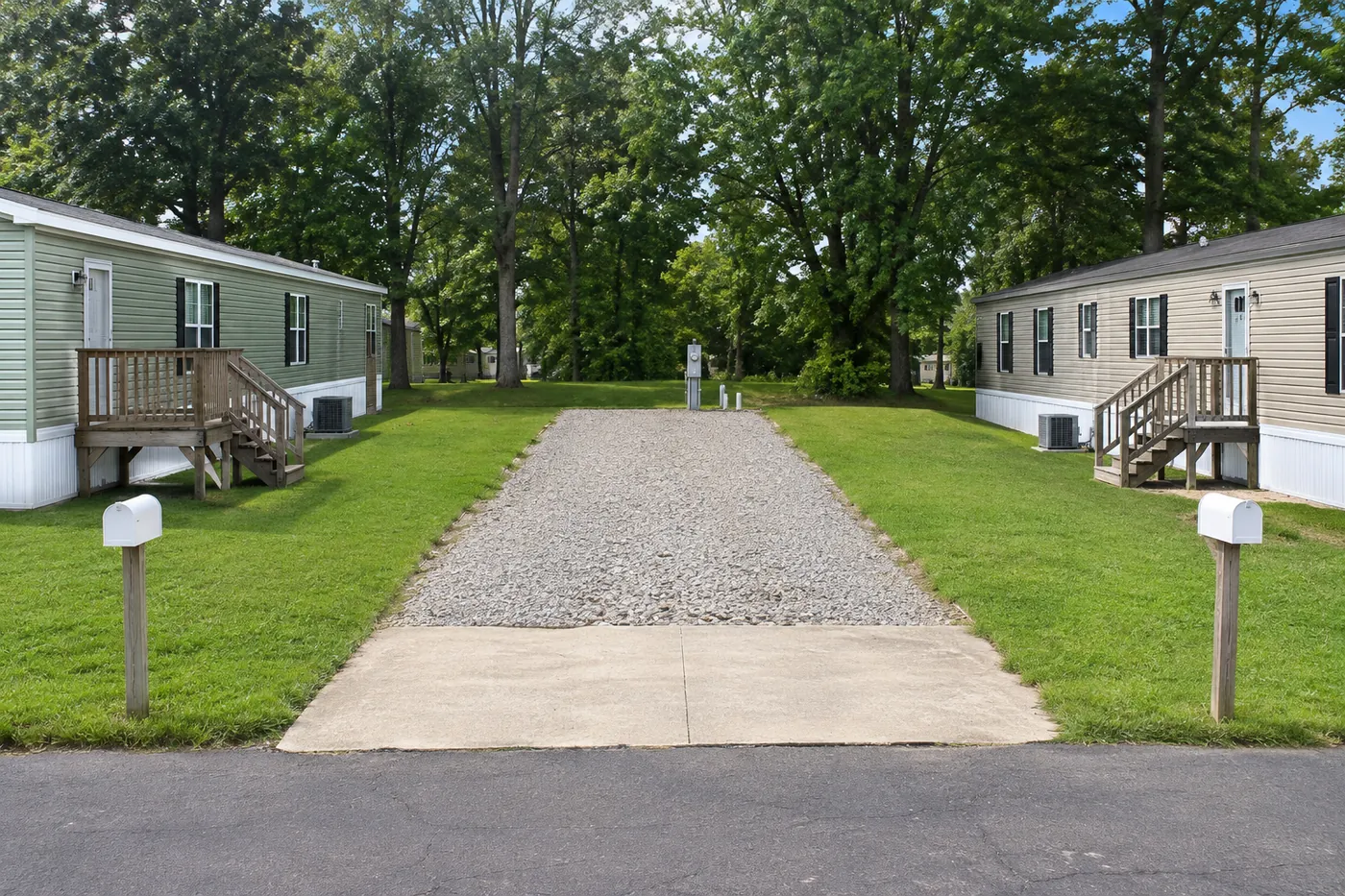
Lot rent pays for the site when you do not own the land. A community can also charge for shared services, amenities and utilities. Put your rental agreement beside your ownership papers. The buyer needs to understand the home and the site arrangement separately. Tell the buyer whether the home will stay or move.
A home sold together with its land sells as real estate, usually through a title company, closing attorney or real estate agent. We do not pass those requests on. Only when the land is excluded can you use this form for a home on land you own. Check the ownership record first; a home converted to real property can need more paperwork.
Get the ownership record straight
The ownership record must match the home and sellers. Missing papers, liens or a completed real-property conversion change the paperwork needed.
- Serial number matches ownership papers
- Documents for separately titled sections
- Missing papers checked before handover
Read more
Your ownership paper is not always called a title. Texas uses a Statement of Ownership. Michigan uses a Certificate of Manufactured Home Ownership or Certificate of Mobile Home Title. Start with your state page to get the agency and document name before filling out a form from another state.
The title-transfer guide explains replacement documents, liens and state differences. A bill of sale records the transaction, but it does not finish a required ownership filing. Check with the titling agency, your park office or a tax professional about the requirements that apply to your sale.
Get a price reference before comparing offers
The value calculator gives a rough resale range without land. It provides price context, not an appraisal or a buyer's offer.
- State, width, age and condition
- Census averages describe new homes
- Repairs and moving affect price discussions
Read more
The Census Bureau's new-home price figures describe new manufactured homes. They do not tell you what your used home will sell for. The calculator applies its stated rule of thumb to produce a rough range, with the land excluded.
Write down the repairs you know about before discussing price. Tell the buyer about title problems and the lot agreement too. If the home can stay, ask what park approval is needed. If it must move, ask who arranges and pays for removal.
Choose who handles the sale work
Your sale route determines who handles inquiries and what steps stand between an offer and payment. Compare the work involved along with the proposed price.
- Cash skips listing and buyer financing
- Trade-in toward a replacement home
- Owner handles inquiries and arrangements
Read more
A cash sale skips listing, showings and buyer financing. For a dealer trade-in, ask how it fits your replacement-home purchase. Selling by owner leaves inquiries and sale arrangements with you. An agent listing is another route where the home and transaction qualify. Read the realtor guide for that distinction. Ask about each route's services, costs and paperwork before agreeing.
For a home sold without land, the short form sends your request to a buyer in our network who buys in your area and contacts you. You learn the buyer's name before that conversation. After reviewing your home, the buyer chooses whether to offer. You deal with the buyer directly and can accept or decline any offer.
Check the park's part before handover
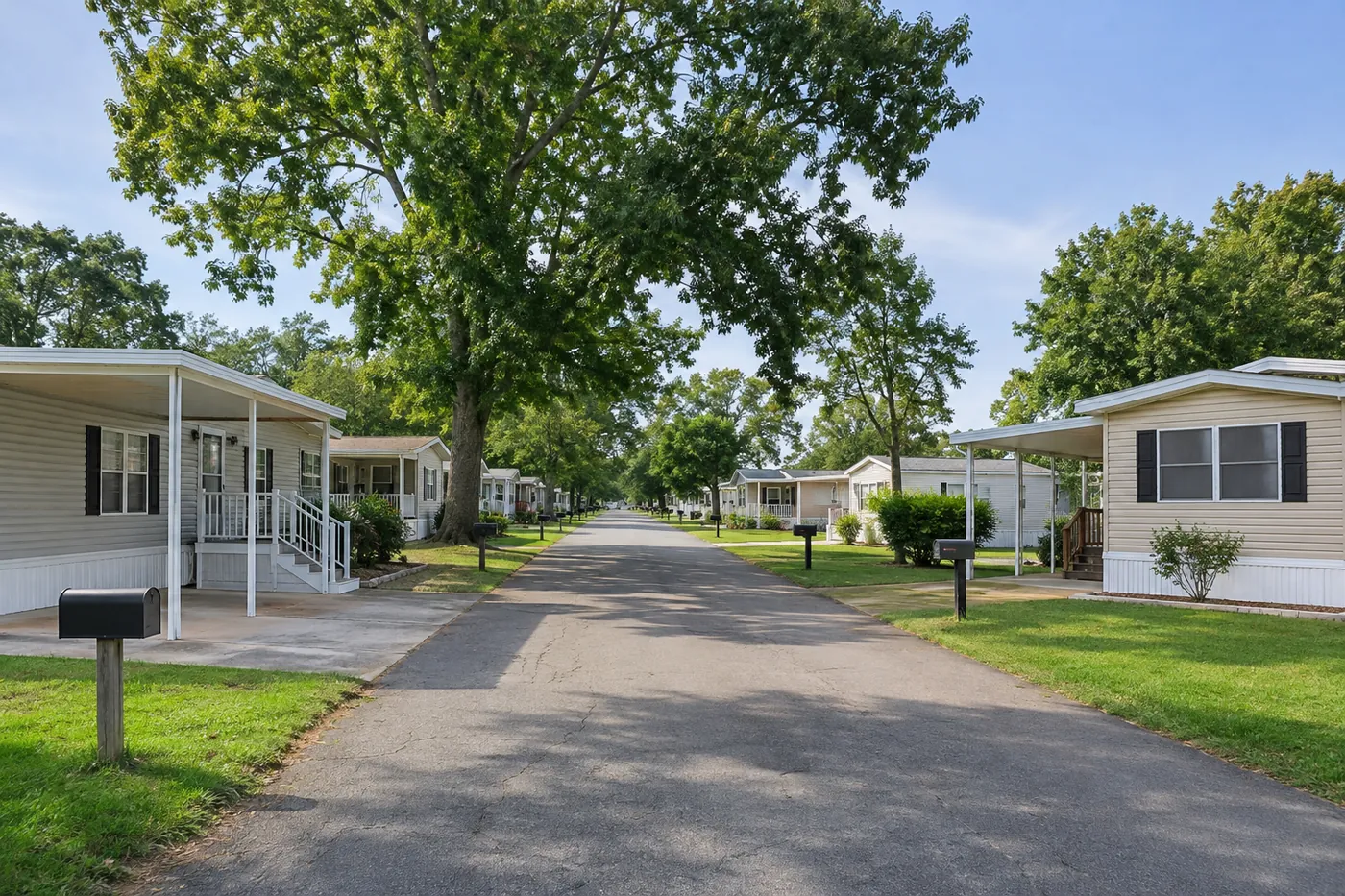
An in-place sale depends on park rules and the rental agreement. Buying the home and getting approval to occupy the lot are separate steps.
- Written park application process
- Required sale notices and compliance work
- Lot responsibilities through handover
Read more
In covered South Carolina parks, approval is automatic unless the purchaser gets written notice within 15 days of the written residency application. California allows prior approval on statutory grounds and generally protects in-place sales, with exceptions. Use the rules for the state where your home sits.
Your state page explains the selling rules for your location. If the home must move, read the moving-cost guide before assigning that work. Ask who gets the road permits and tax papers, prepares the home and handles installation. Put those tasks in writing instead of leaving removal undefined.
Put the agreement and transfer together
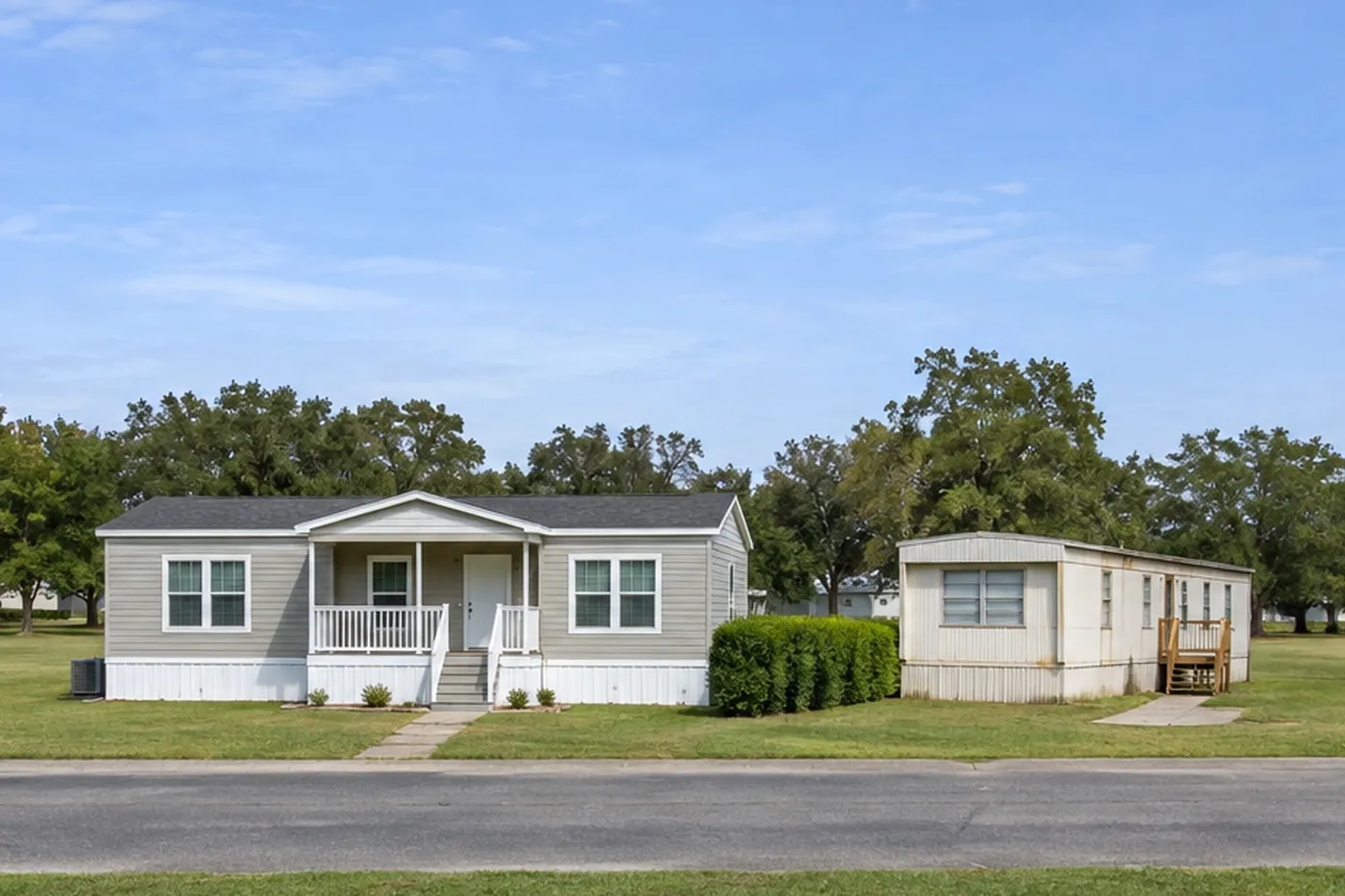
Your sale papers should match the agreement. You and the buyer still need to settle payment, handover and responsibility for the state ownership filing.
- Agreed price and accurate home details
- Responsibility for ownership filing
- Signed papers and payment records kept
Read more
The bill-of-sale guide covers the names, home details, date, price, condition terms and signatures. Read it alongside the title-transfer guide. South Carolina needs a separate bill of sale if the title has no bill-of-sale section. Tennessee's title-only checklist calls for a bill of sale with the assigned title.
Agree on the handover date and who handles any remaining lot or moving work. The title, park requirements and buyer can all affect the schedule. Keep the terms the same across the bill of sale, ownership application and moving agreement.