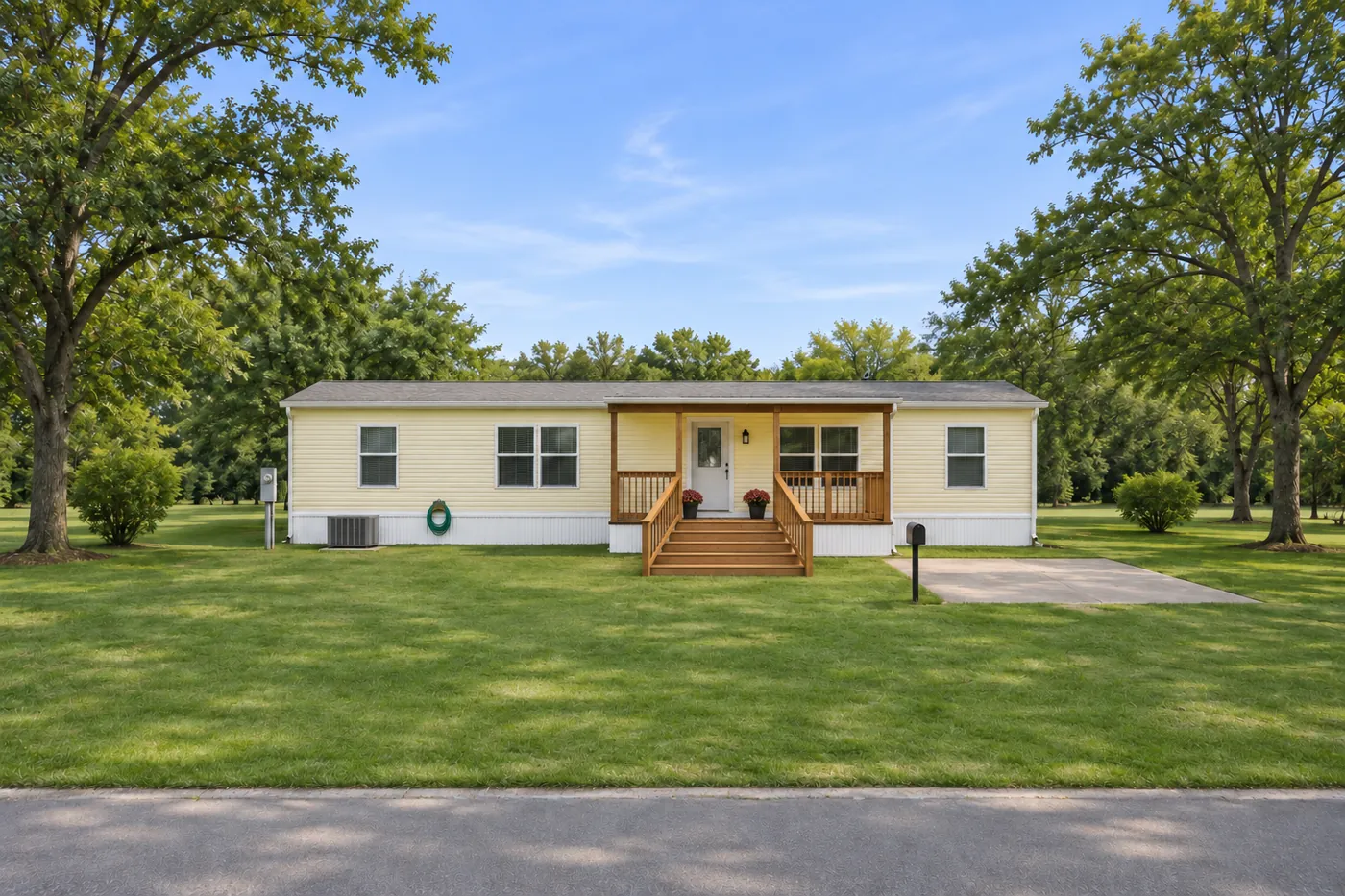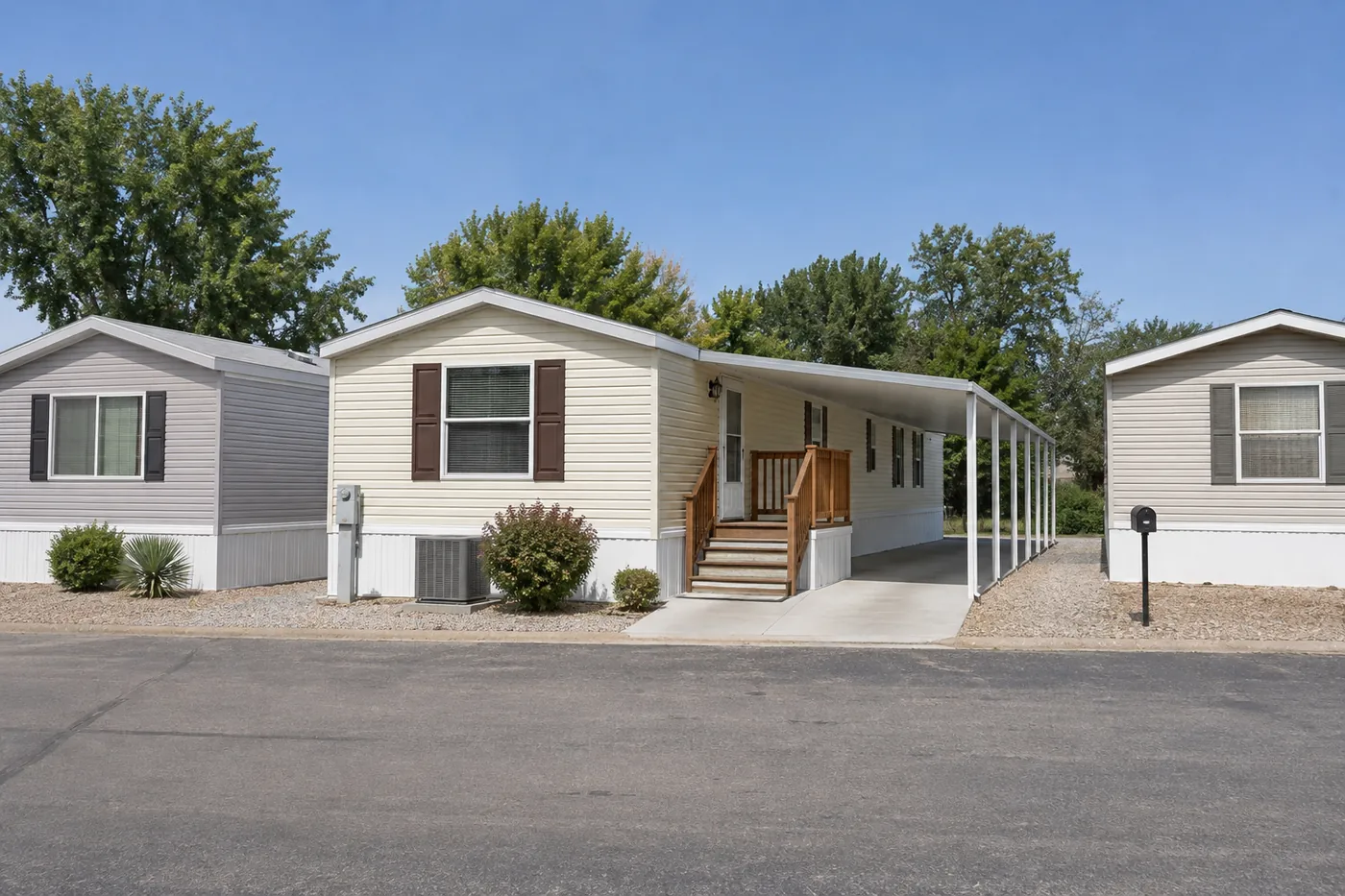
Selling a mobile home without land transfers the home, not the ground beneath it. A buyer in our network receives the home-only details you send through Mobile Home Buyer Finder and contacts you. You know the buyer's name before contact and discuss any offer or sale with that buyer directly.
Key points
- Home-only sales on rented or others' land
- Lot tenancy separate from the home purchase
- Stay or move decided before sale terms
The home has its own ownership record
A home-only sale uses the state's home ownership process rather than a deed conveying land. Locate the record and identify any loan before discussing the transfer.
- Home's state ownership document found
- Home identification matched to ownership record
- Missing records and unpaid loans disclosed
Read more
Texas records home ownership through its housing agency's Statement of Ownership. For a personal-property sale, the application needs seller and buyer signatures, applicable lien documents and tax evidence. The title-transfer guide explains why a bill of sale does not replace the state's ownership record.
Lot rent pays for the site
Lot rent pays for the ground the home occupies when you do not own that land. Park charges can also cover shared services, amenities and utilities.
- Rental agreement shared with the buyer
- Rent separate from utility and service charges
- Charges through handover assigned
Read more
Use the amounts and terms in your actual records. Tell the buyer about unpaid charges or an unresolved lot issue before agreeing on a price. The buyer needs to understand the cost and terms of occupying the site as well as the cost of buying the home.
Park approval is separate from the sale
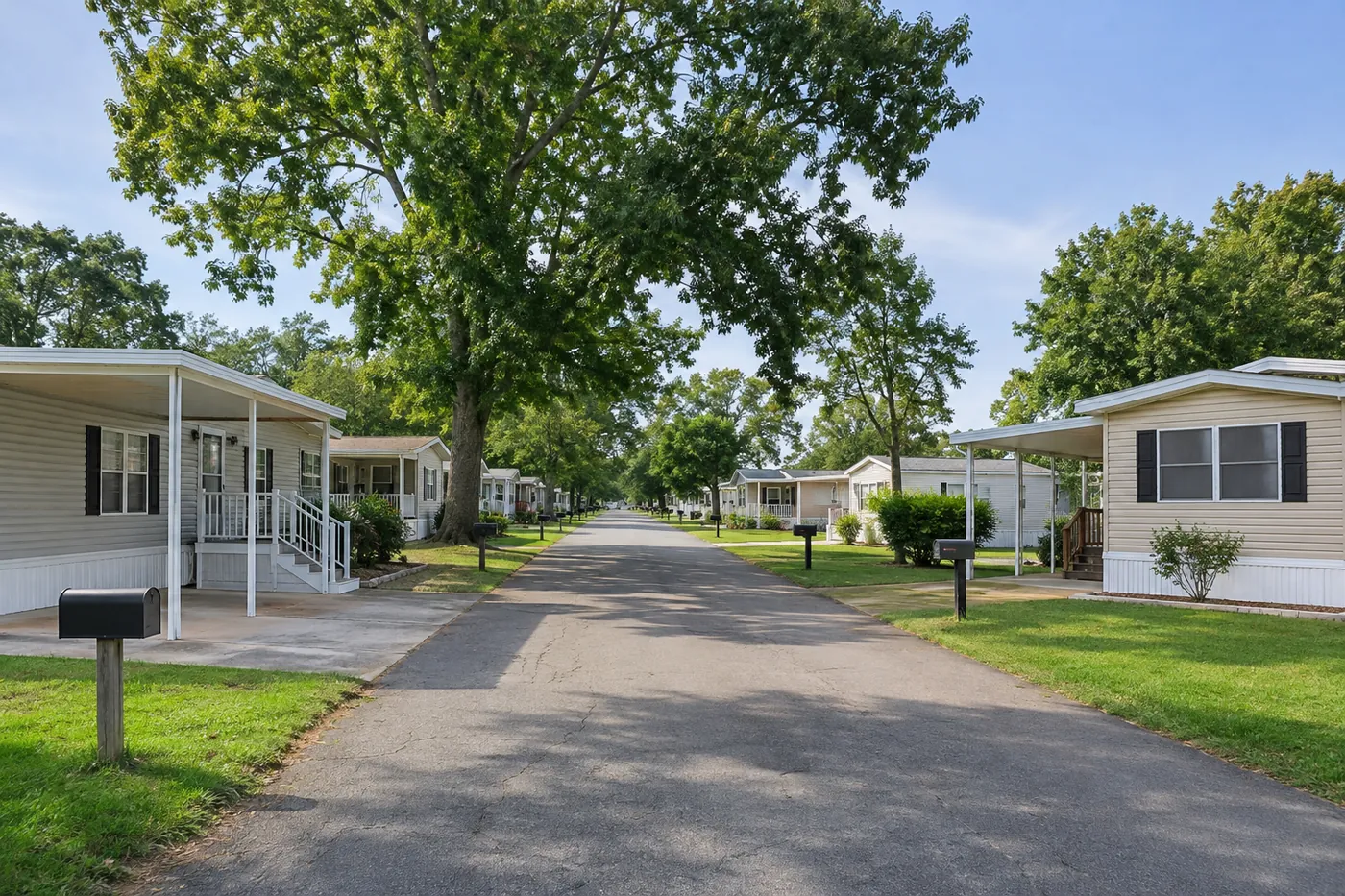
State law and the rental agreement govern buyer approval and lot tenancy. An agreement to buy the home does not settle either.
- Park's requirements for selling in place
- Buyer's residency application requirements
- Lot arrangement settled before possession
Read more
In South Carolina, the park must notify a purchaser in writing within 15 days of the written residency application or approval is automatic. Approval cannot be unreasonably withheld. Check with the titling agency or your park office about ownership records and the approval process. On someone else's private land, settle the buyer's permission to stay separately.
A move needs more than a willing buyer
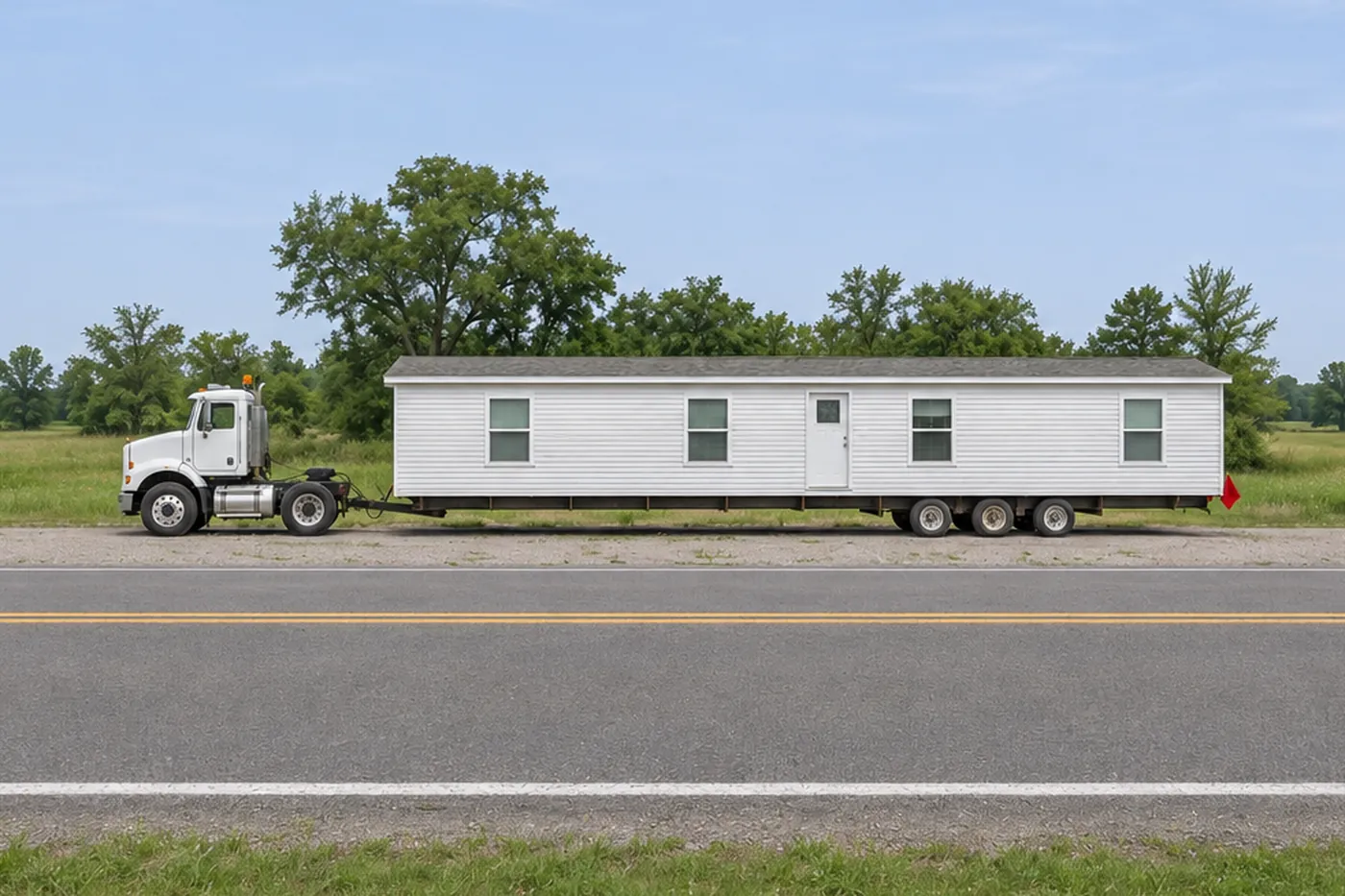
If the home must move, transport and installation requirements become part of the sale plan. State rules govern oversize transport permits and operating authority.
- Moving arrangements and costs agreed
- Destination identified before transport
- Data plate checked for design zones
Read more
In Arizona, an affixed home has been legally attached to the land through state paperwork. A separate sale or move requires reversing that status and getting a title again. HUD also says a home's destination cannot require greater wind, thermal or roof-load protection than its design provides. Read the moving and removal guides before agreeing to transport.
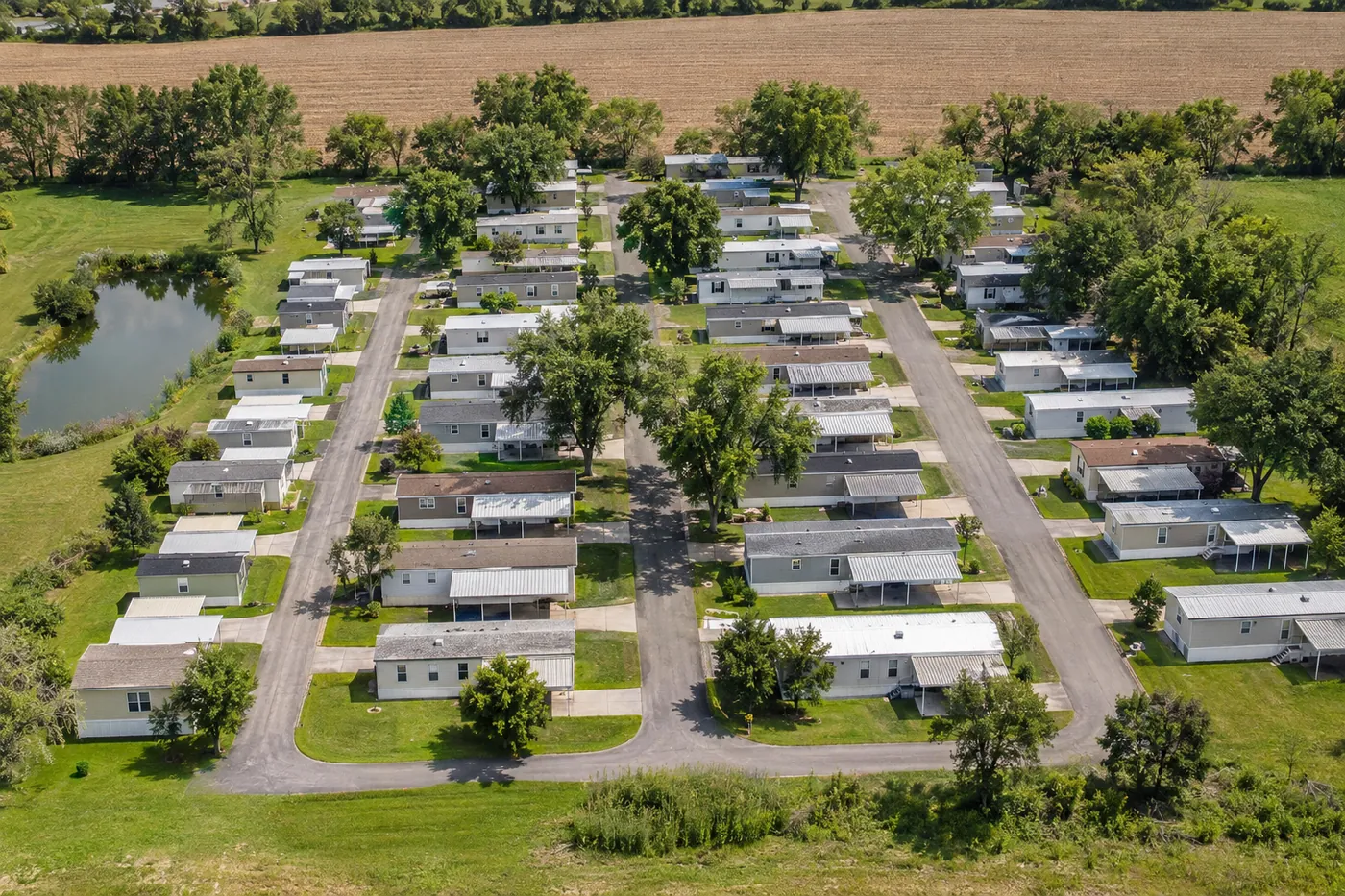
Settle what happens after you leave
A sale needs an agreed handover, not just an empty home. Set out payment, possession and any removal responsibilities before you leave the lot.
- Possession date and new owner recorded
- State rules for homes left in parks
- Transfer, payment and lot records saved
Read more
Moving out leaves ownership and lot duties to be settled. The calculator gives a rough range for the home alone, and the form sends a request about a sale excluding land. If you sell the land with the home, it is real estate, usually handled by a title company, closing attorney or real estate agent. We exclude those requests.