You do not always need a realtor to sell a mobile home without land. Start by checking whether the home has a separate ownership record or has been converted to real property. That distinction, along with state licensing rules, affects who can handle the sale.
Key points
- Title and real-property paperwork differ
- Land ownership and title status differ
- State sales rules and exceptions apply
- Work, fees and sale conditions compared
- 1
Find the ownership record
- 2
Decide what is included
- 3
Read the state rules
- 4
Compare the sale routes
- 5
Settle the paperwork plan
The ownership record comes before the listing choice
A separately titled mobile home uses different ownership paperwork from a home recorded as part of real property.
- Current state ownership papers
- Recorded conversion or title cancellation
- Ownership records checked before appearances
Read more
A foundation alone does not complete the legal conversion. Texas requires a certified Statement of Ownership recorded after choosing real-property status and meeting the other requirements. California records HCD 433A after the foundation inspection and release of legal owners' interests. Start with those papers instead of judging by how the home looks.
Colorado's permanent-location process requires surrendering ownership papers and canceling the title. Later transfers use a deed. Arizona uses an Affidavit of Affixture, a recorded statement making the home part of real property. Its procedures differ for owned and leased land. Read the state page and title-transfer guide. Check with the titling agency if you cannot tell which record applies.
A sale with land takes the real-estate route
A mobile home sold together with its land sells as real estate, usually through a title company, closing attorney or real estate agent.
- Manufactured home identified to sale professionals
- Land deed and home conversion records
- Home-and-land requests excluded from this service
Read more
An agent can discuss listing a property that includes both the home and its land. Ask how the agent handles manufactured-home ownership records and how the closing will describe the property. South Carolina's Real Estate Commission says a home with its title retired sells with the land through a closing that includes a deed describing both.
Only when land is excluded does a separate home sale fit this site's service. A home converted to real property can need more paperwork. Arizona requires undoing affixture and getting a new title before a separate sale or move. Tennessee says a later home-only sale may require a title again. Check the record before promising to move the home.
State rules set sales thresholds and exceptions
Your state sets licensing rules for manufactured-home sales, including repeated sales and specific exceptions. Ask an agent which authority covers your transaction before signing an agreement.
- Texas retailer licensing threshold
- Arizona purchaser exemption
- Different thresholds across states
Read more
Texas generally requires a retailer's license to sell, exchange or offer two or more manufactured homes to consumers in 12 months. Arizona exempts a purchaser selling no more than two covered homes in 12 months. North Carolina presumes dealer status for buying, selling, offering or displaying three or more manufactured homes in any 12-month period, with exceptions.
South Carolina's dealer definition includes buying, selling, dealing in, offering or displaying three or more homes within 12 months. Georgia requires manufactured-home sales licensing for selling or offering three or more homes to consumers in 12 months. California's real estate licensing exception permits sales of qualifying previously registered or foundation-recorded homes. Ask the agent which authority covers the transaction.
Selling by owner leaves the sale work with you
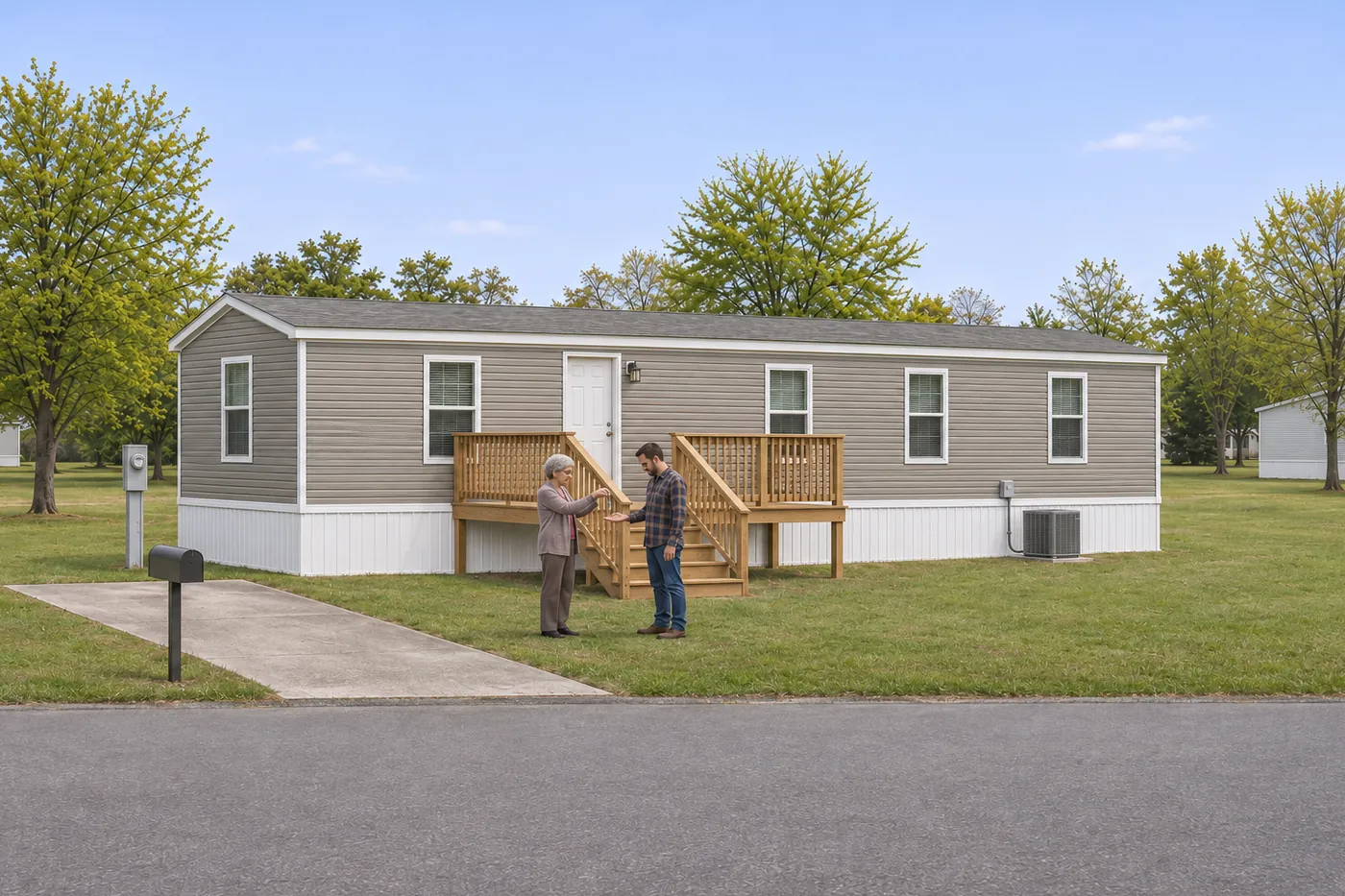
Selling by owner means you handle buyer discussions and the sale arrangements, including the ownership and park requirements that apply.
- Accurate home and condition details
- Purchase terms separate from park approval
- Payment, paperwork and moving in writing
Read more
Read the ownership papers before setting up the sale. Tell the buyer about missing records or a lien that needs attention. The title-transfer guide explains the process, and your state page names the office and documents. Plan for both the bill of sale and the state ownership filing; they do different jobs.
Arizona lets a landlord reserve tenant approval, but approval cannot be unreasonably withheld. Written reasons for withholding it are due within ten days of the seller's or purchaser's written request. South Carolina also bars unreasonable withholding in covered parks. These tenancy decisions are separate from the agreement to buy the home.
A direct cash buyer is another route for the home alone
A direct cash sale skips listing, showings and buyer financing, while leaving the price and contract between you and the buyer.
- Park or other site described
- Repairs, removal and title work discussed
- Timing depends on title, park and buyer
Read more
For a sale without land, our form passes your details to a buyer in our network who buys in your area and contacts you. You know the buyer's name before contact. The buyer can make an offer or pass on the home. You handle any sale directly with the buyer and decide whether to accept any offer.
Have the home's age, width, condition and ownership papers ready for the call. If it must move, ask who arranges and pays for that work. If it stays, ask what park approval is needed. Paying cash changes how the buyer funds the purchase; it does not settle those tasks.
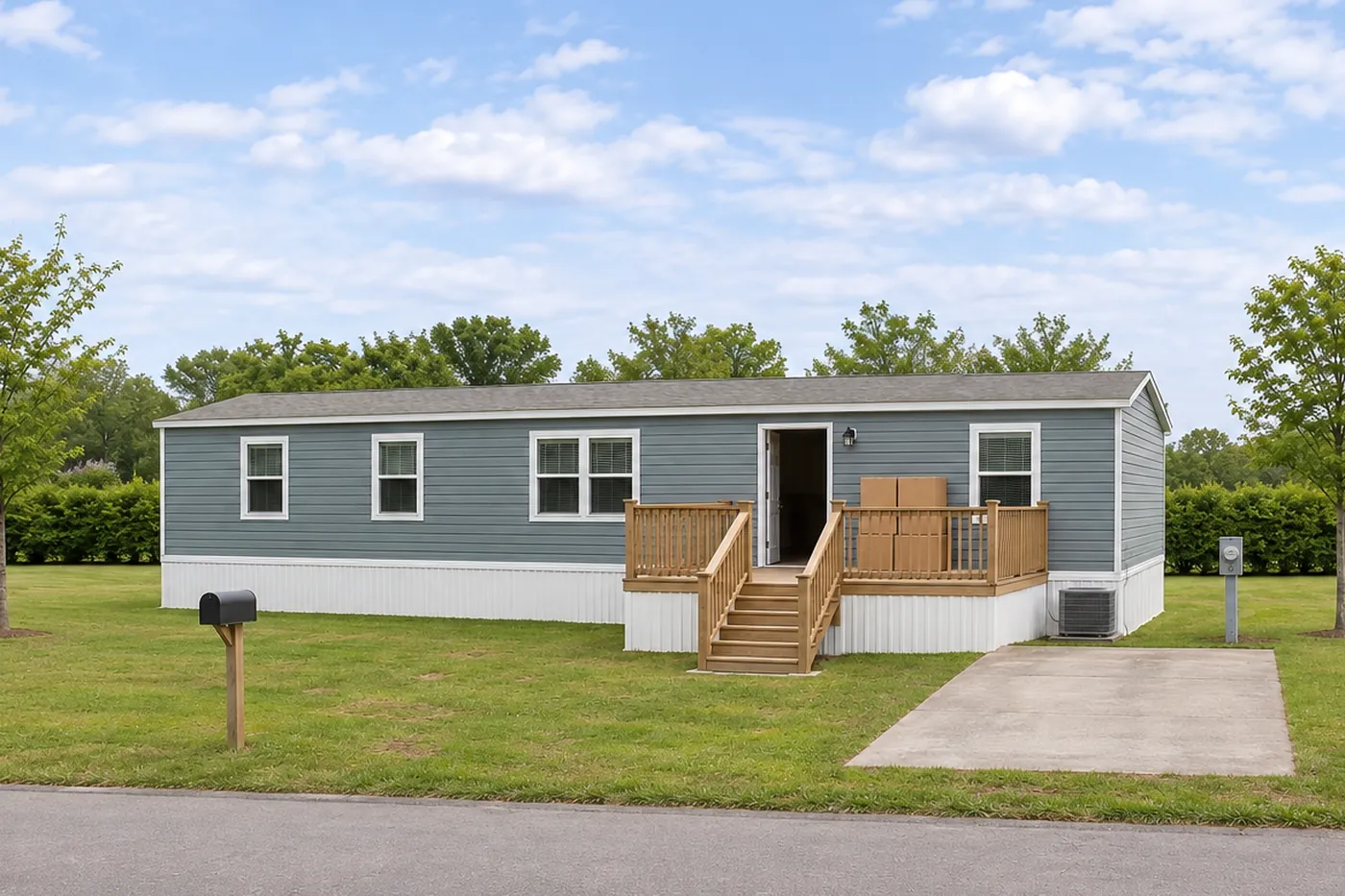
Compare responsibilities alongside fees and price
Compare what each route requires from you, what charges apply and what conditions must be met before the sale is complete.
- Agent's listing and commission terms
- Owner's sale tasks listed
- Direct buyer's repair and moving terms
Read more
Read the commission terms in the proposed agreement. There is no single percentage in this guide. Ask what work the fee covers, what else you would owe and when payment is due. Compare those costs and tasks with selling by owner or dealing directly with a buyer.
The comparison on the home page puts the sale routes side by side. The mobile home value calculator gives a rough range for the home alone, without land. Use those tools to prepare your questions. Neither tool tells you which route you must choose, and the calculator result is not an appraisal or an offer.